Exhibition
Exploring the World of Analogue Photography
Fotodepot, Salzburg
September 5, 2026 to May 1, 2027
In the age of digital photography, analogue works are rare. Indeed, why bother with this labour-intensive process when it seems so much simpler and more promising to produce photographs using digital assistants, high-resolution cameras and the huge opportunities afforded by digital image production?
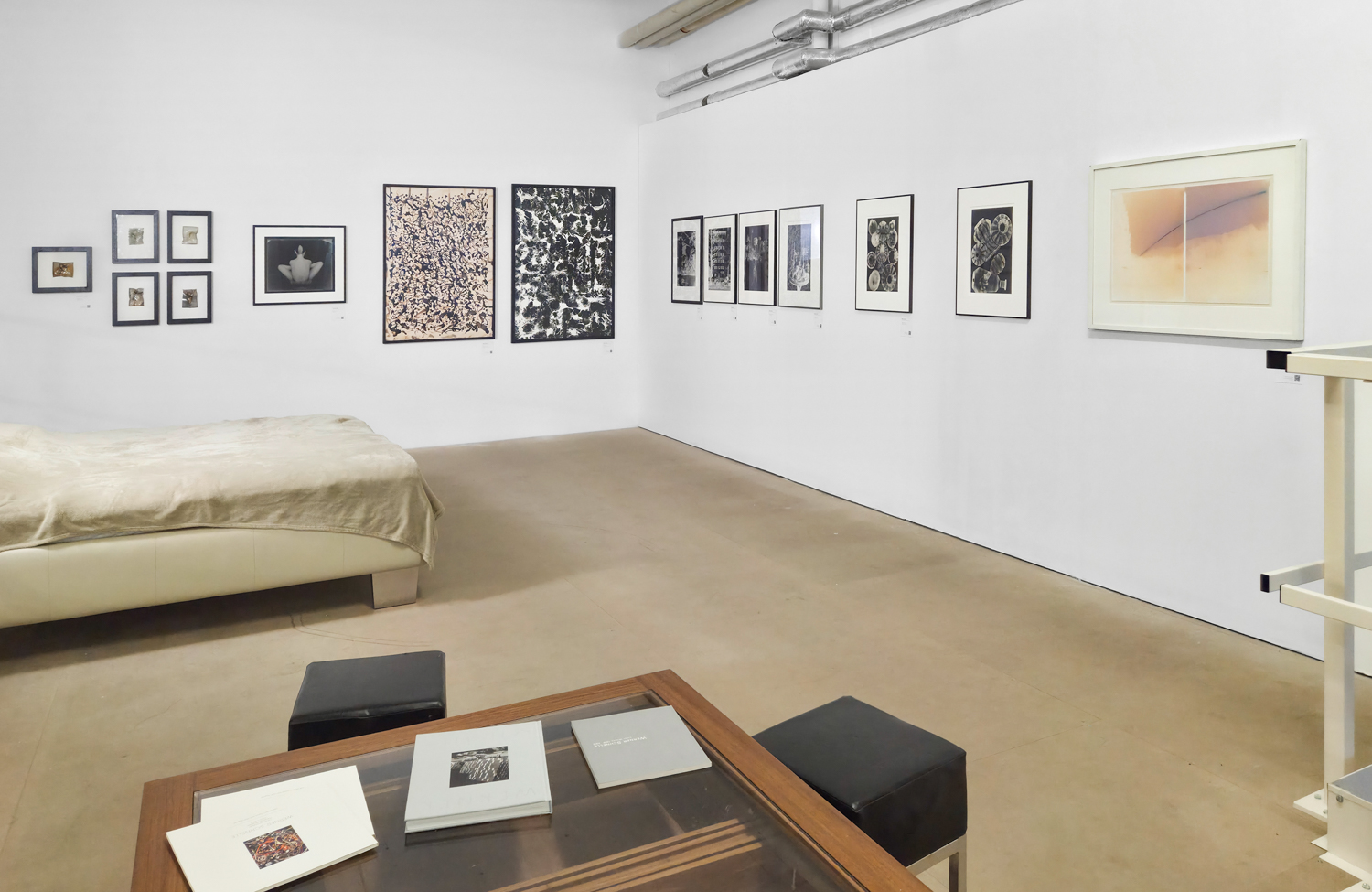
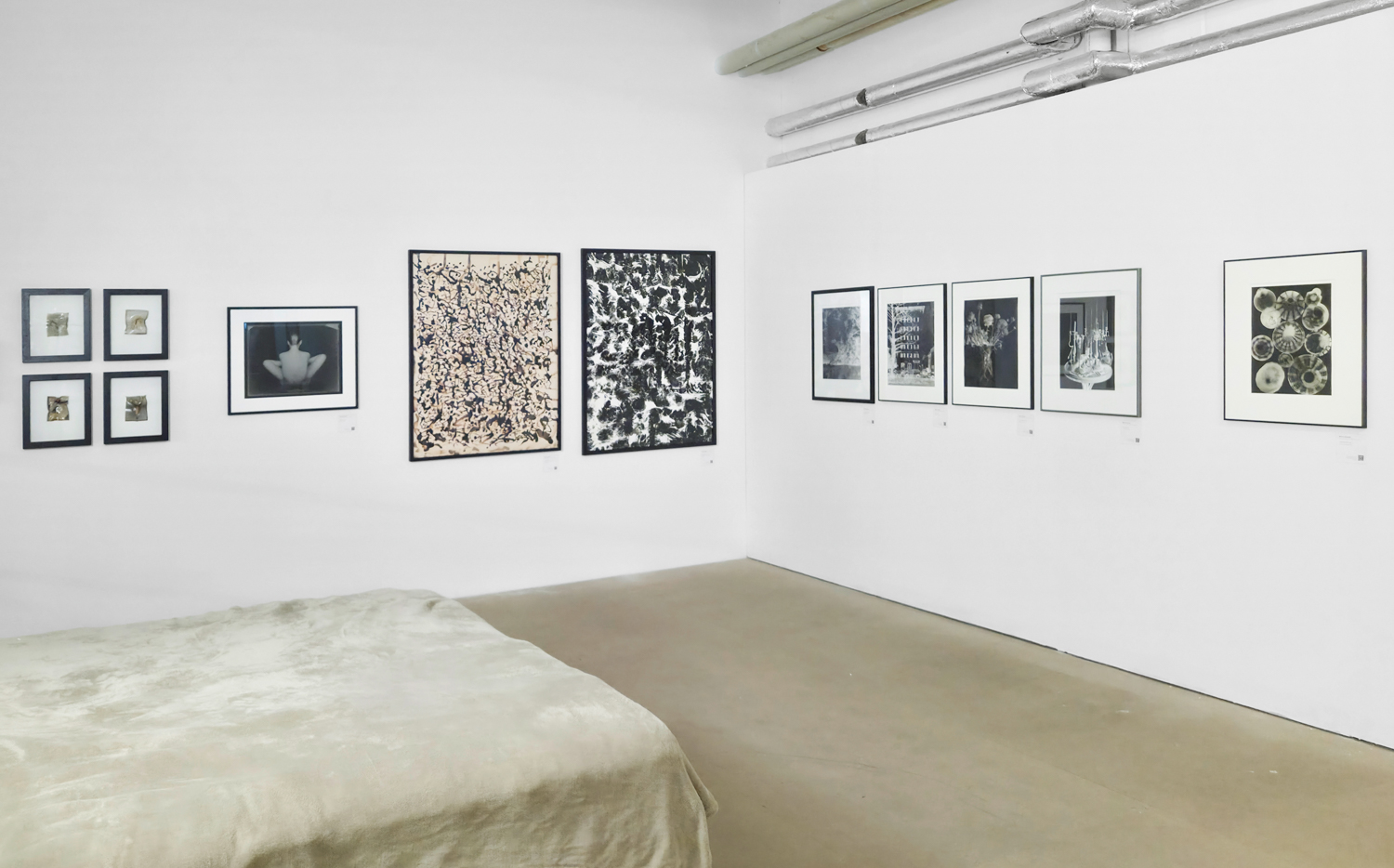
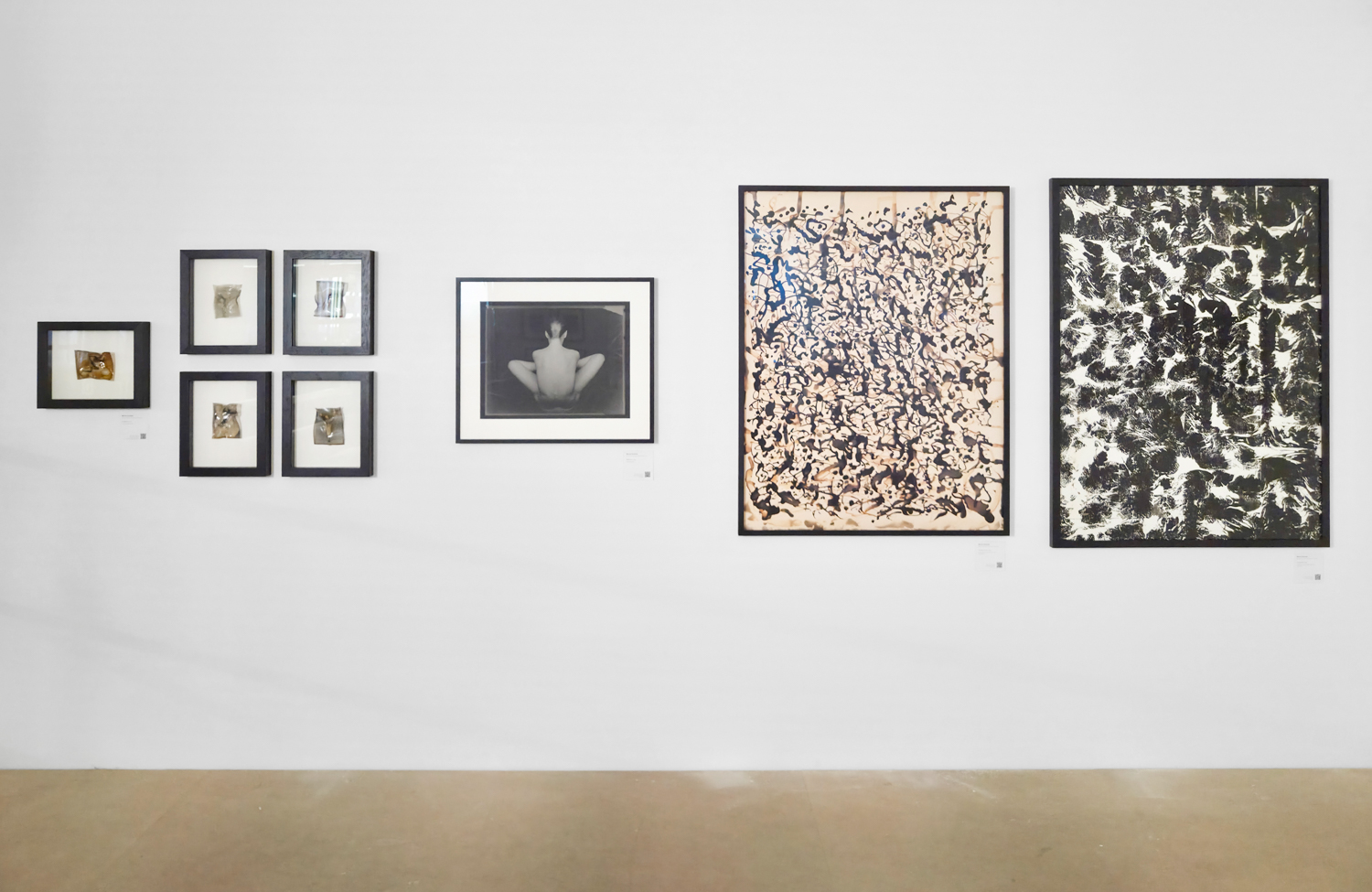
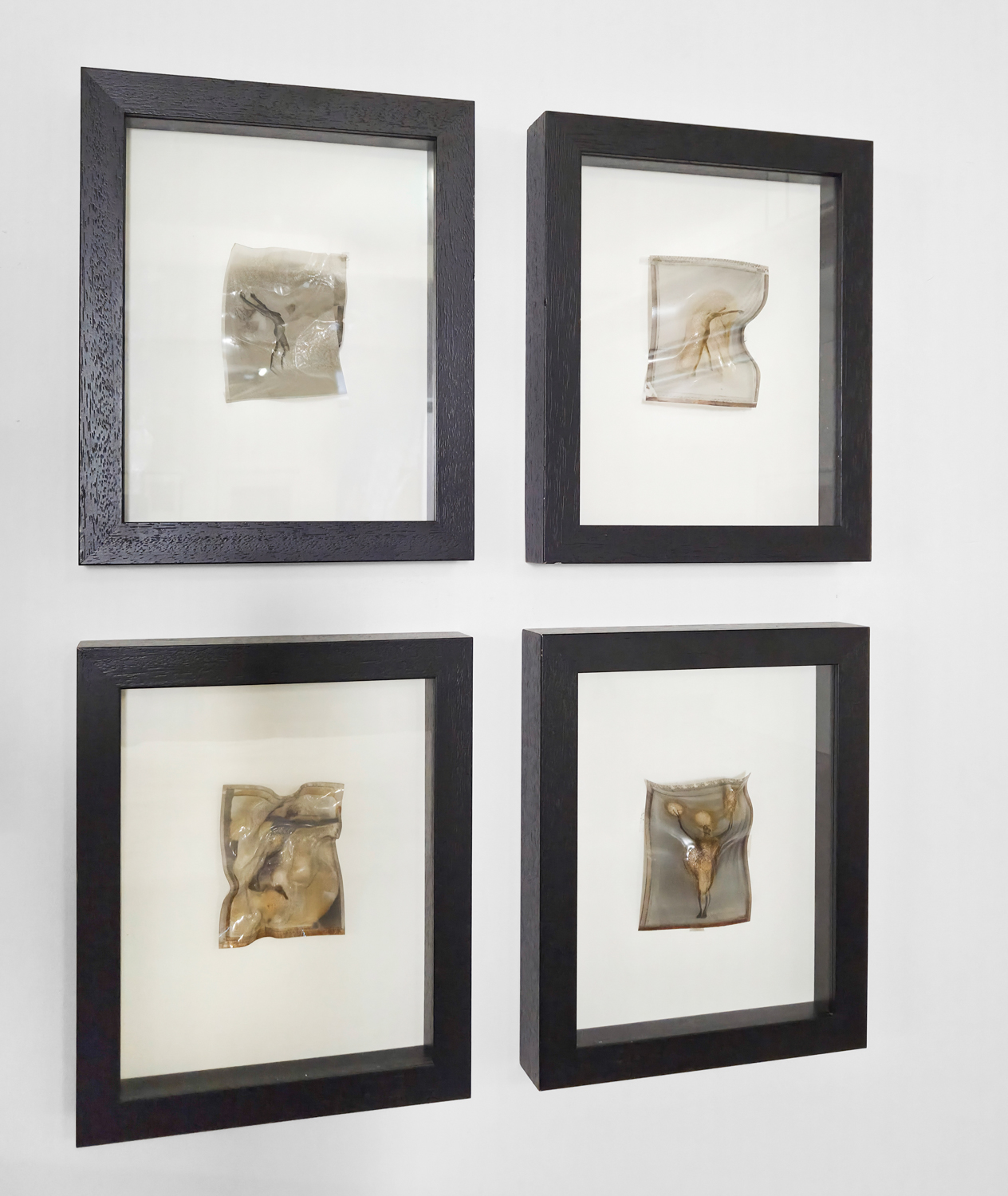
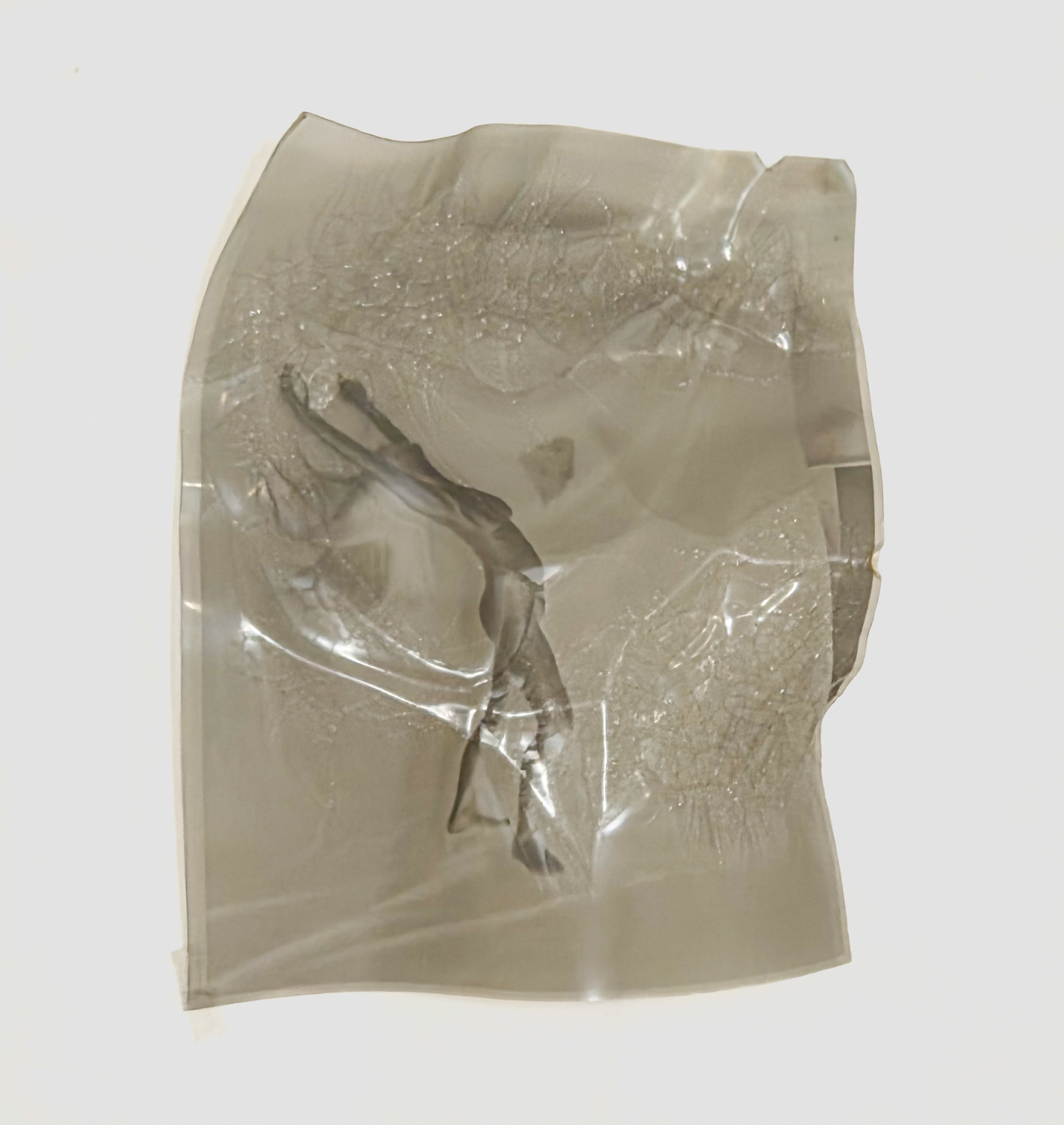
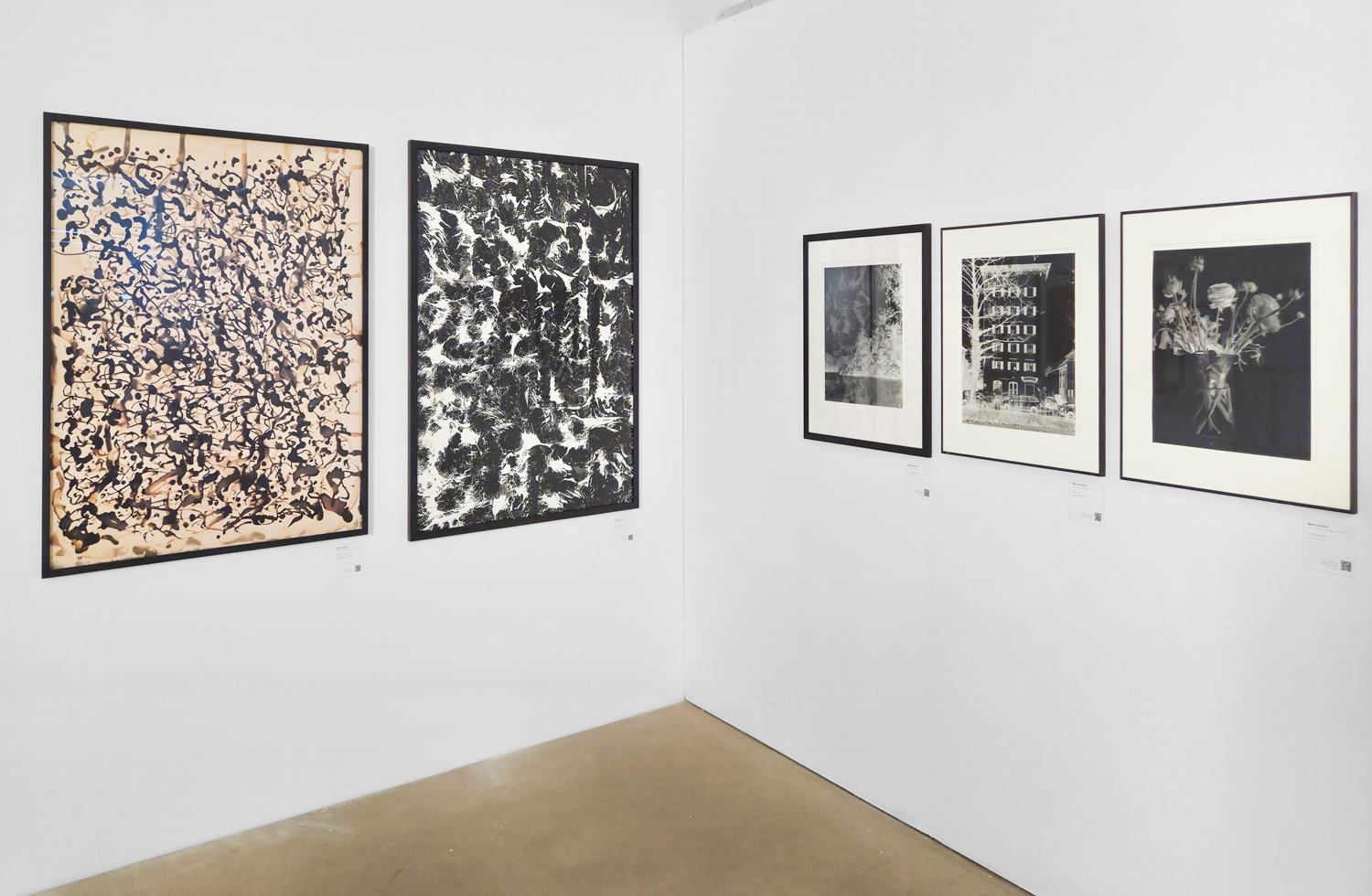
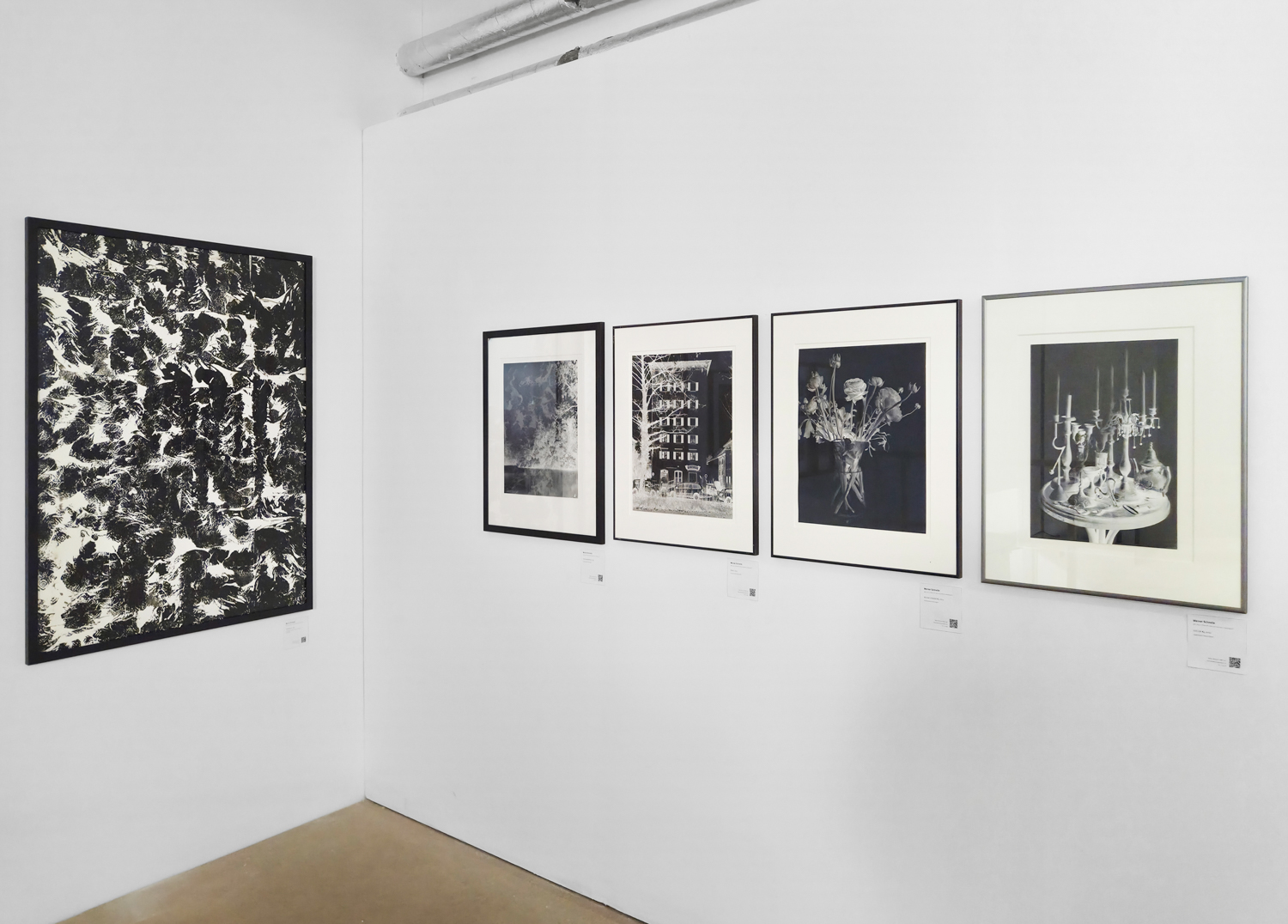
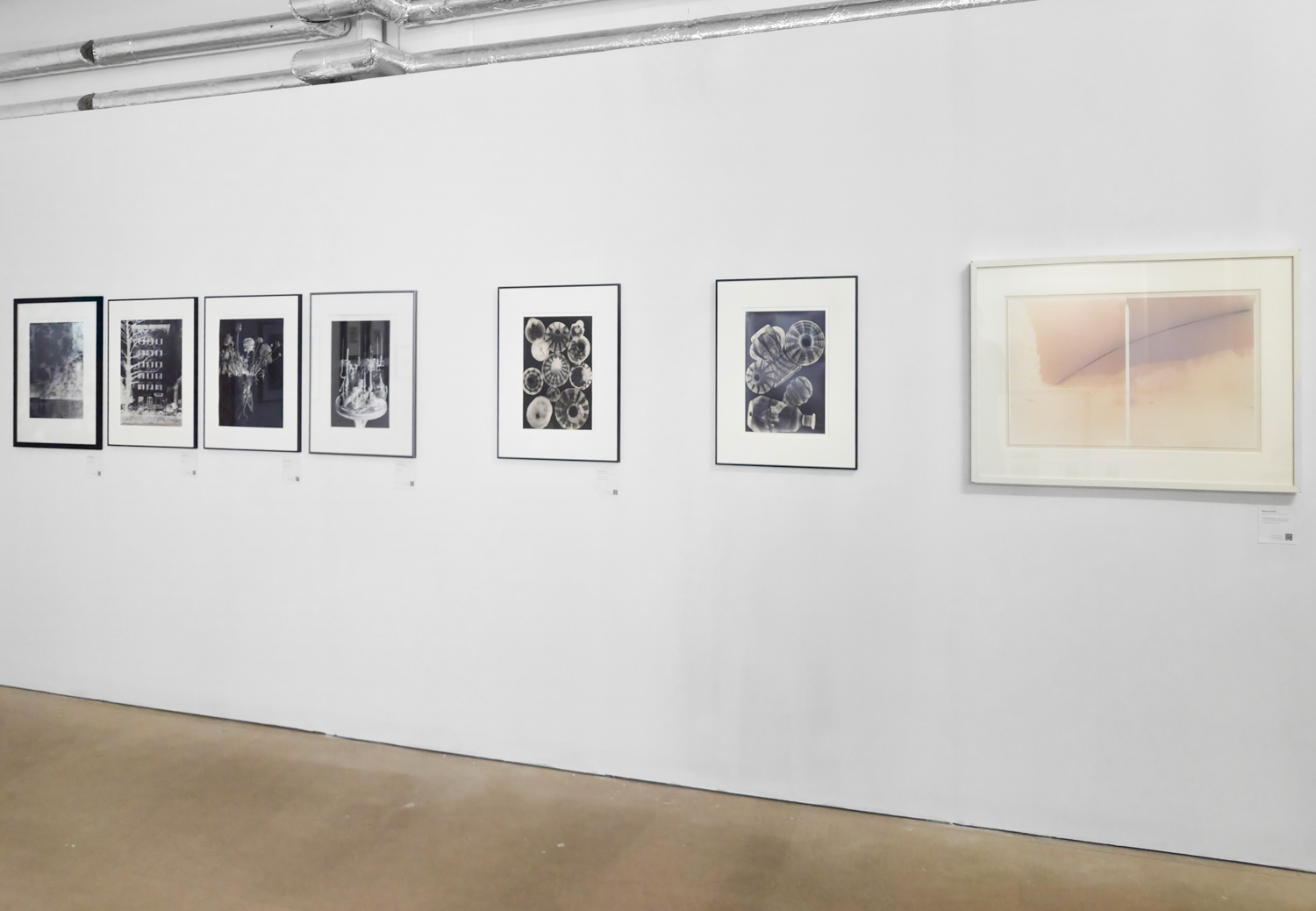
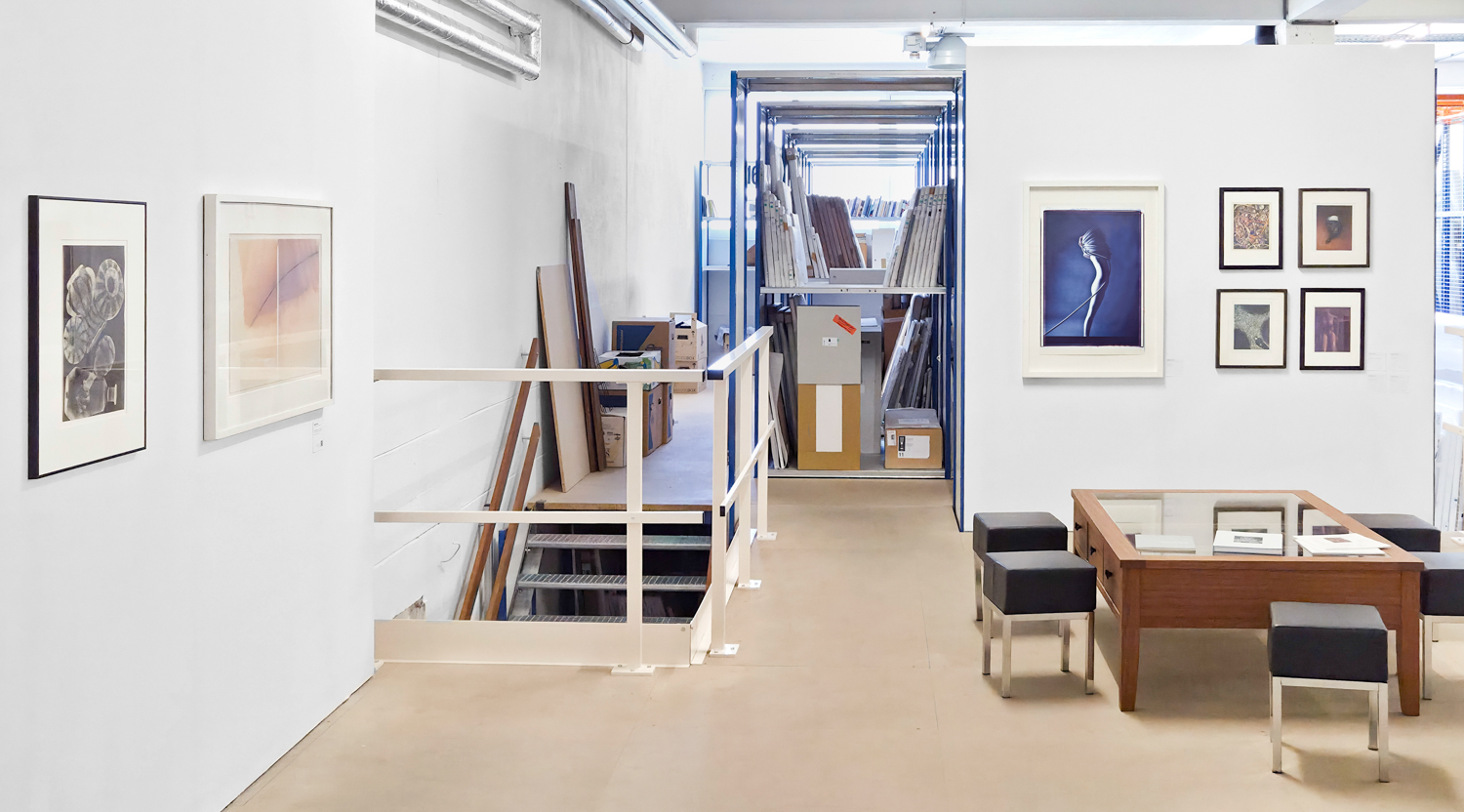
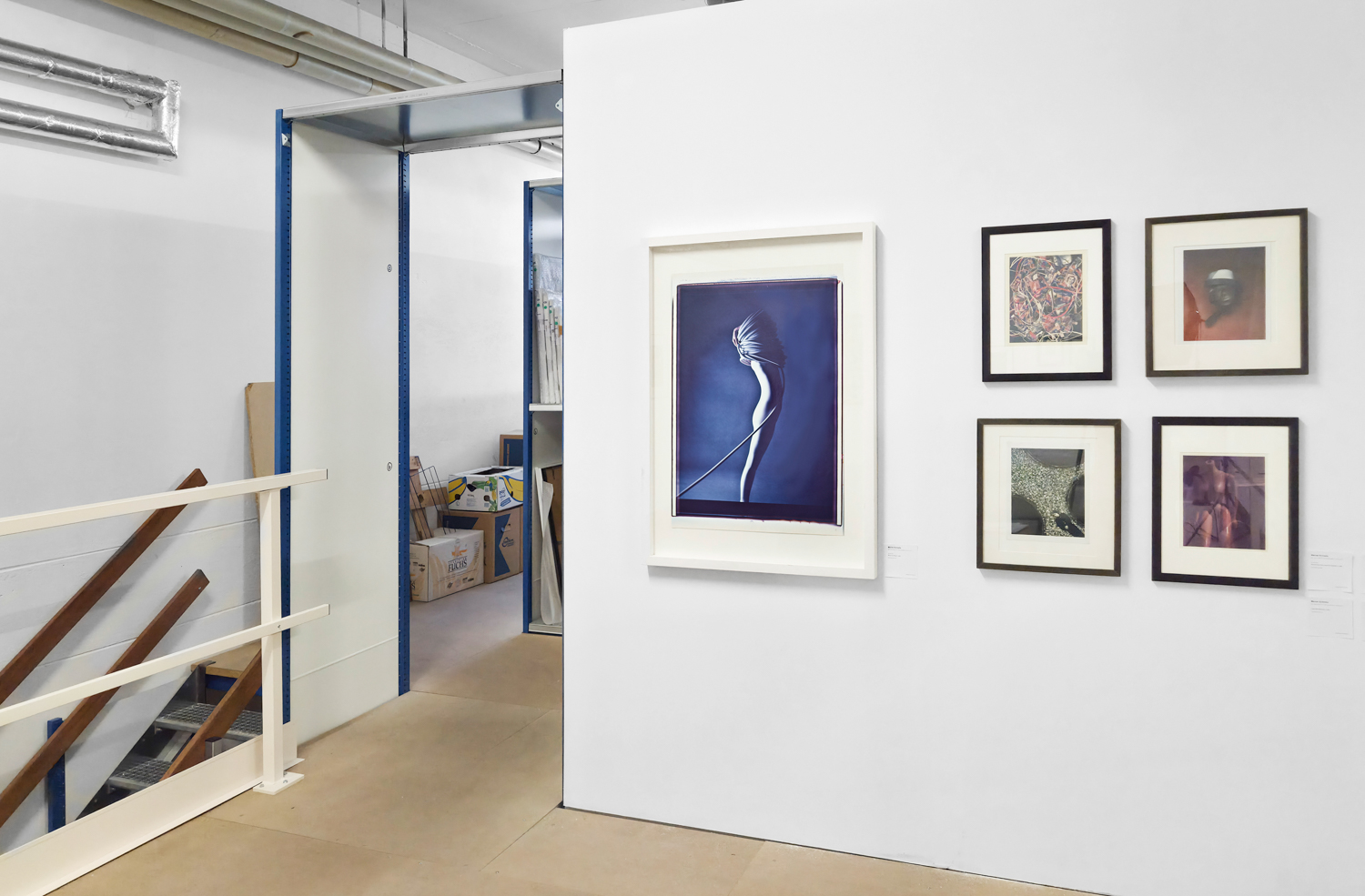
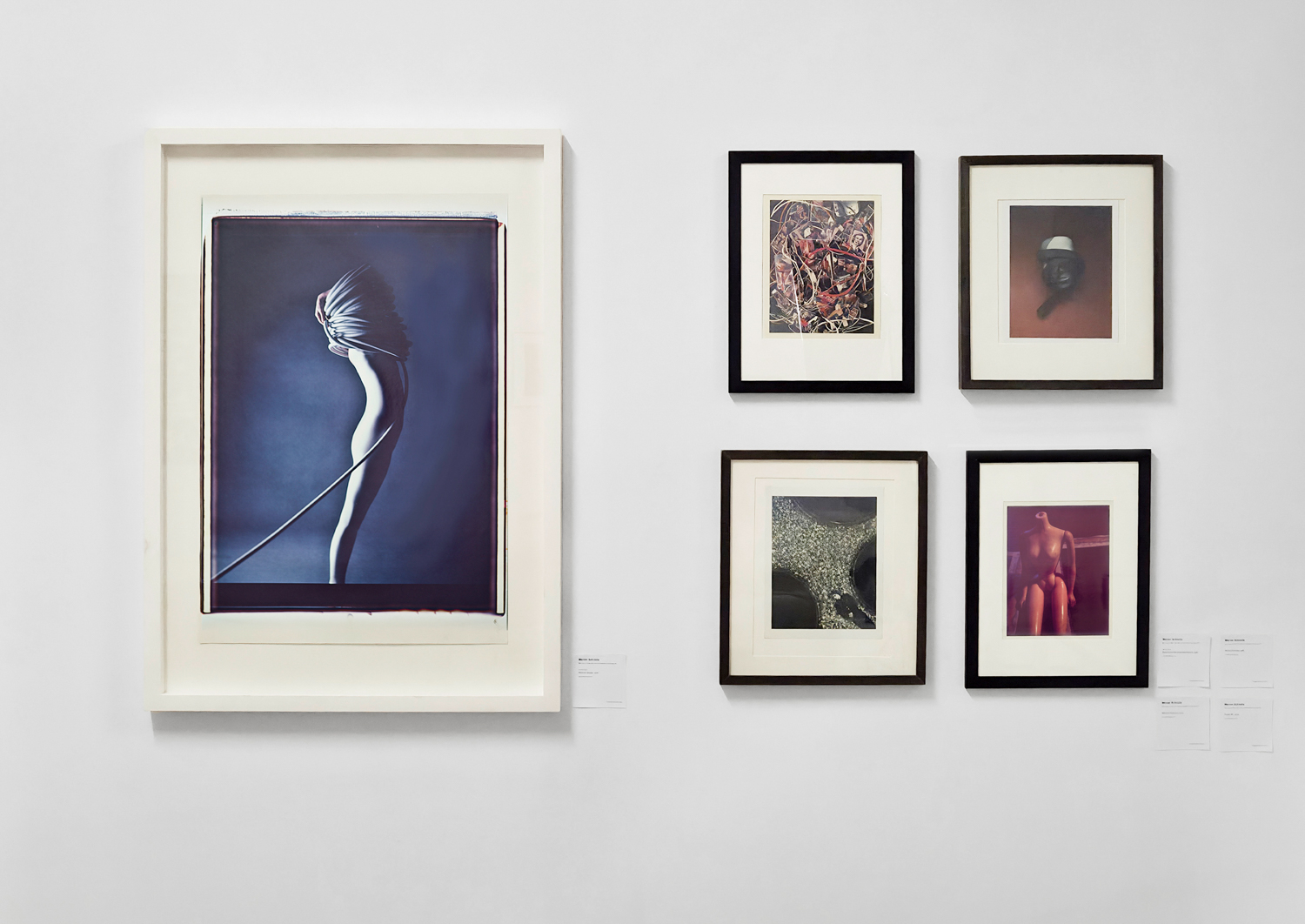
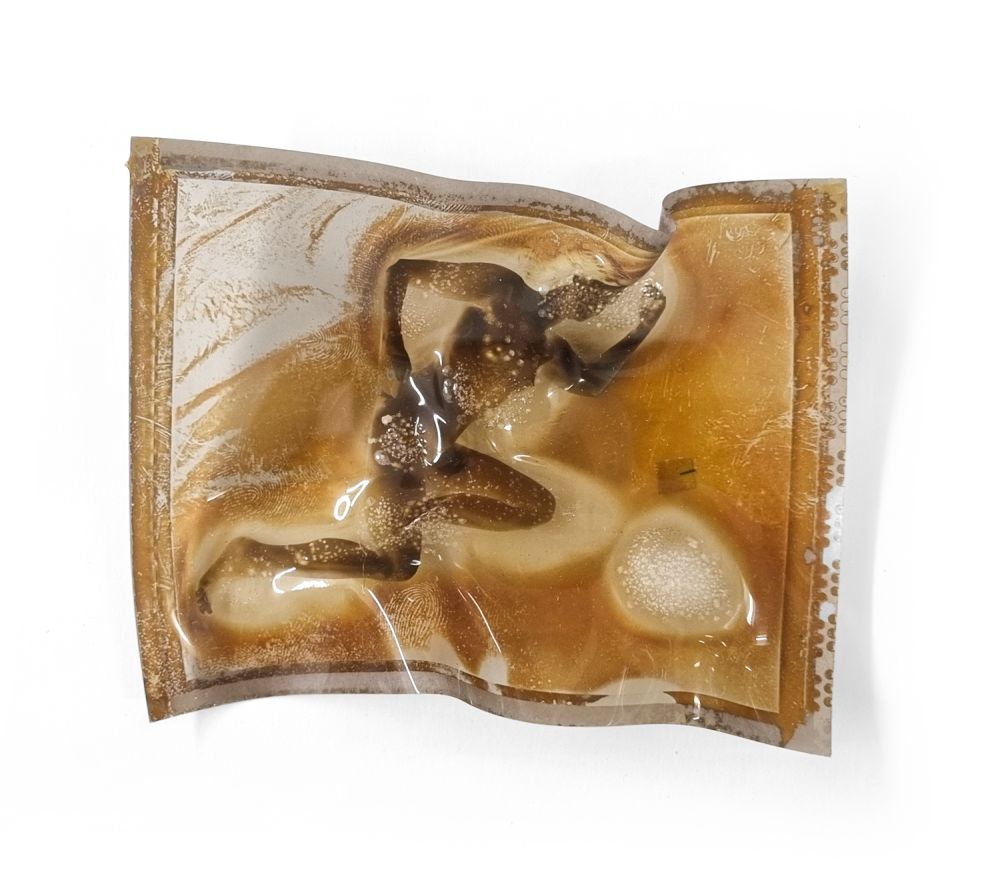
My own work began at a time when digital photo graphy did not exist, and I have retained my earlier analogue work method to this day. A characteristic of analogue photography is the sustained tension that comes from the uncertainty of the outcome after the shutter release, and the fact that the photographed image only becomes visible later on once it has been developed in the darkroom, where it slowly emerges out of the darkness, as it were. At the time the analogue image has an authenticity the likes of which I can no longer find in digital photography, which is, after all, all about producing any number of images mechanically. The analogue image production I prefer allows me to control the image results through my choice of paper and developer. Most of the works on display in this exhibition are one-of-a-kind pieces and cannot be further manipulated after exposure – unless one “destroys” them, as in the case of the heat-treated negatives in the “Guckkasten” series.
With the resources of digital photography many of these works could not have been produced in the first place or, if they had, the outcome would have been quite different. In digital photography, negatives in particular no longer exist in the original sense of the word; in its analogue form they are unique. For the “negative originals,” I use black-and-white photo paper in my large-format camera. The paper is exposed and developed without a subsequent positive print. In the process, the tonal values are reversed: light becomes shadow, and shadow becomes light.
The aspects of chance and experimentation are other possibilities analogue photography can offer. Working with chemical processes to produce analogue images occasionally gives rise to non-calculated
results.
For the person viewing photographic works, it may be irrelevant whether they were produced by digital or analogue means. But for me, exploring the possibilities of analogue photography remains as thrilling as ever.
Werner Schnelle