Exhibition
Exhibition in the Depot of the SpallArt collection, Salzburg
March 7 to October 2026
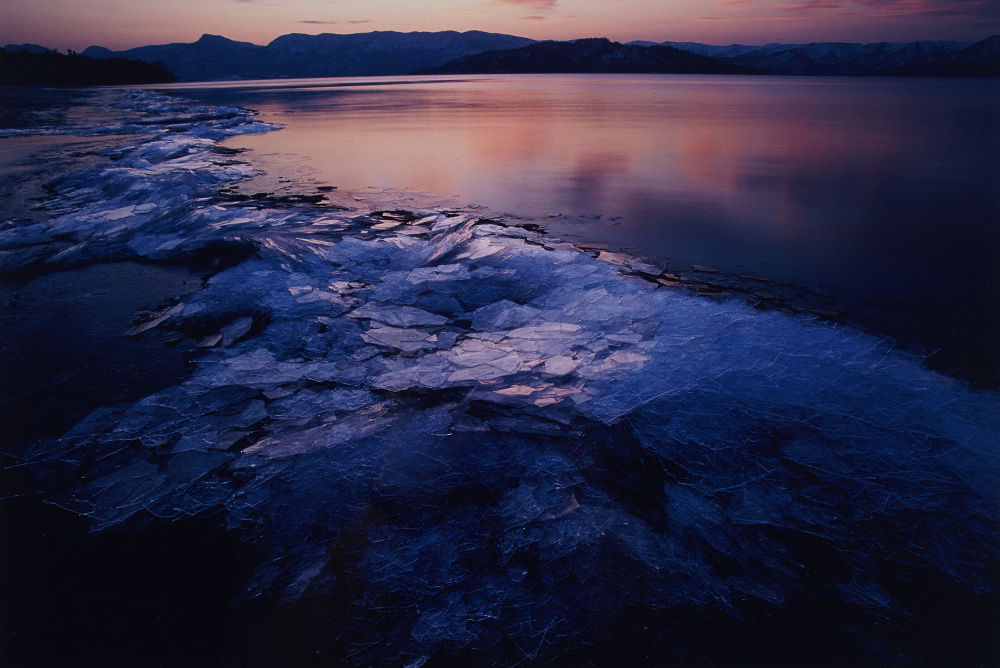
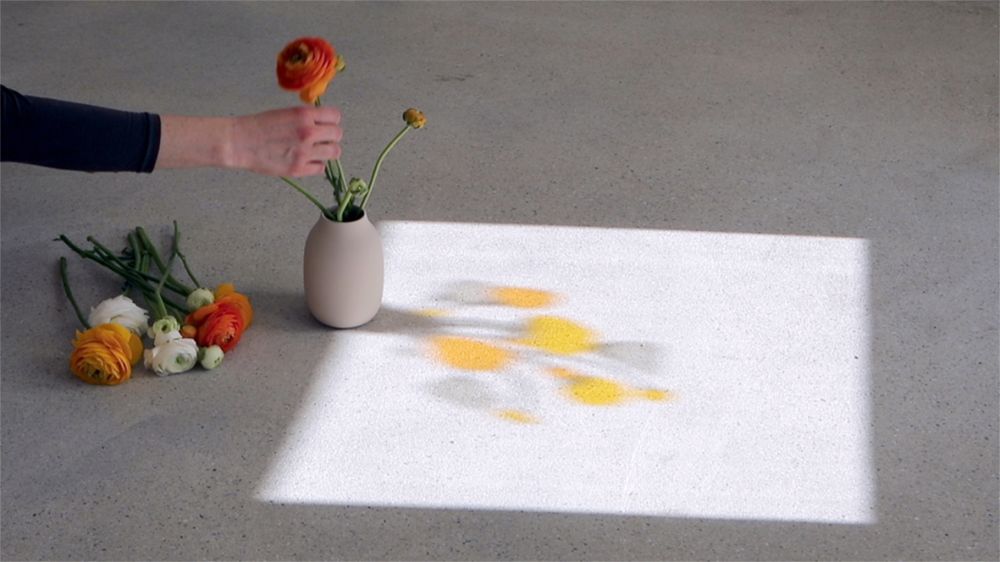
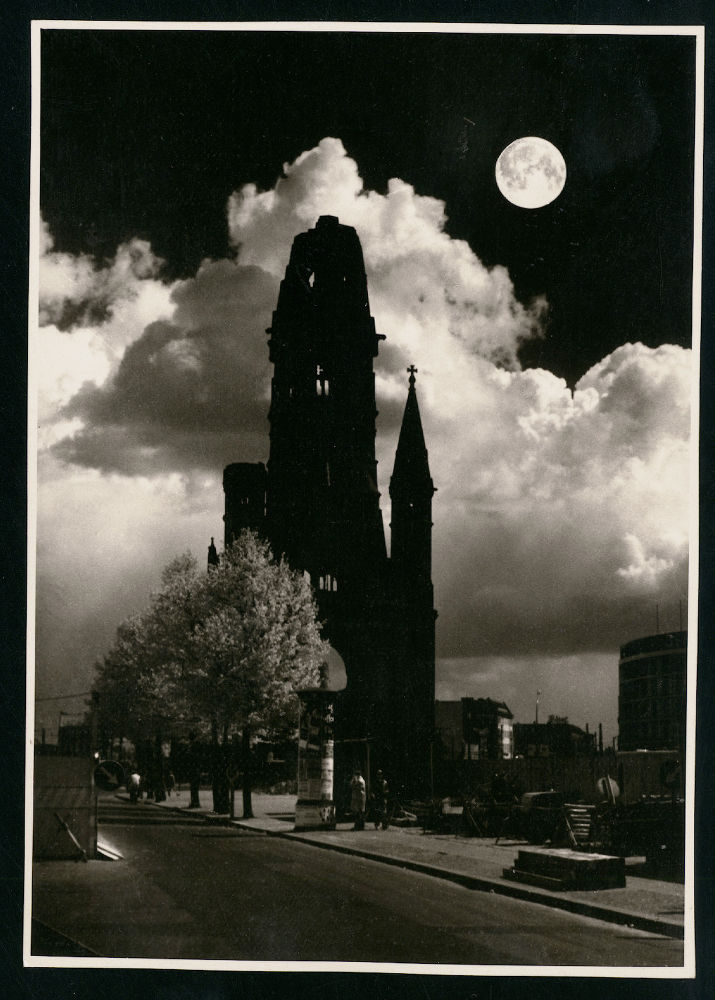
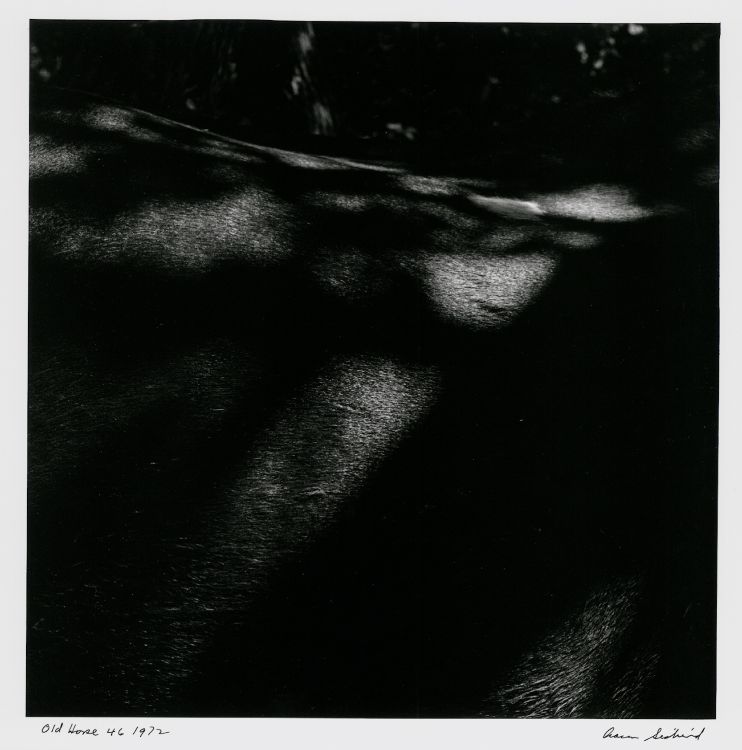
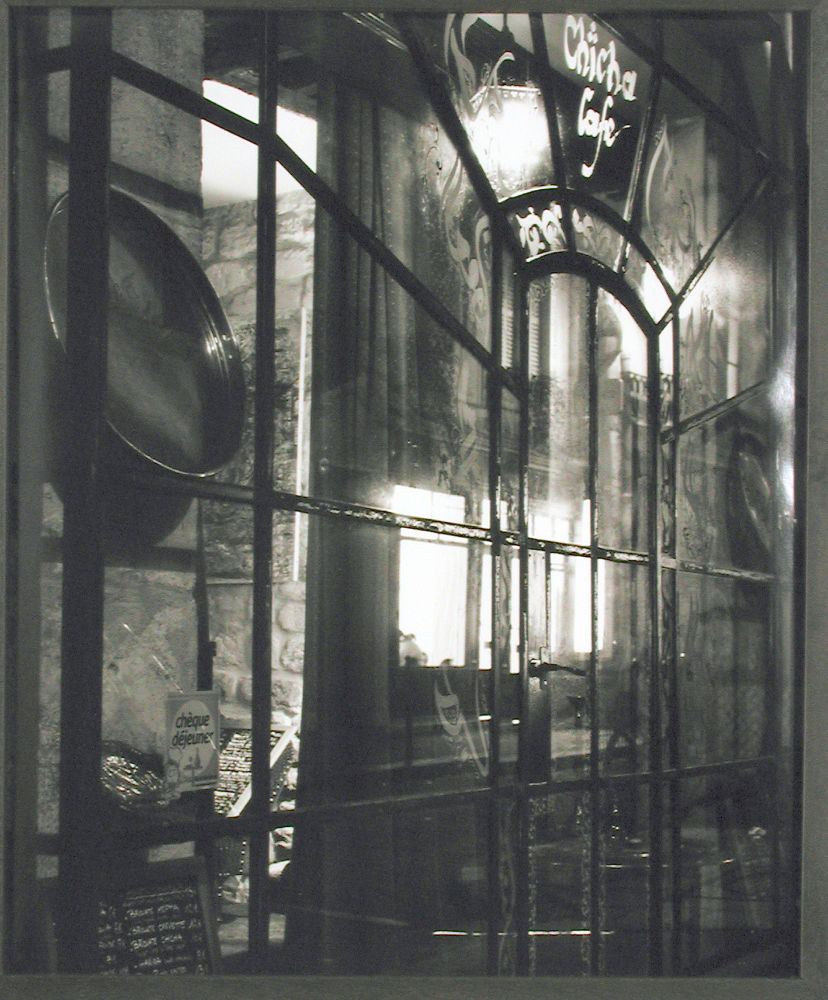
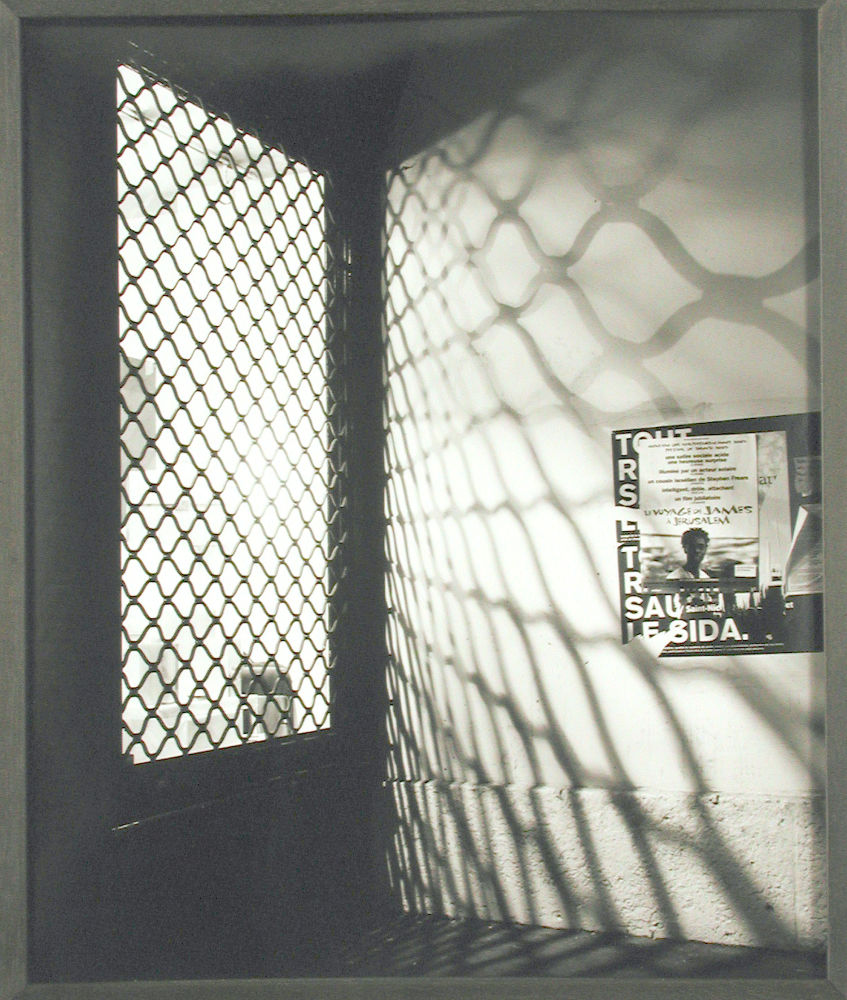
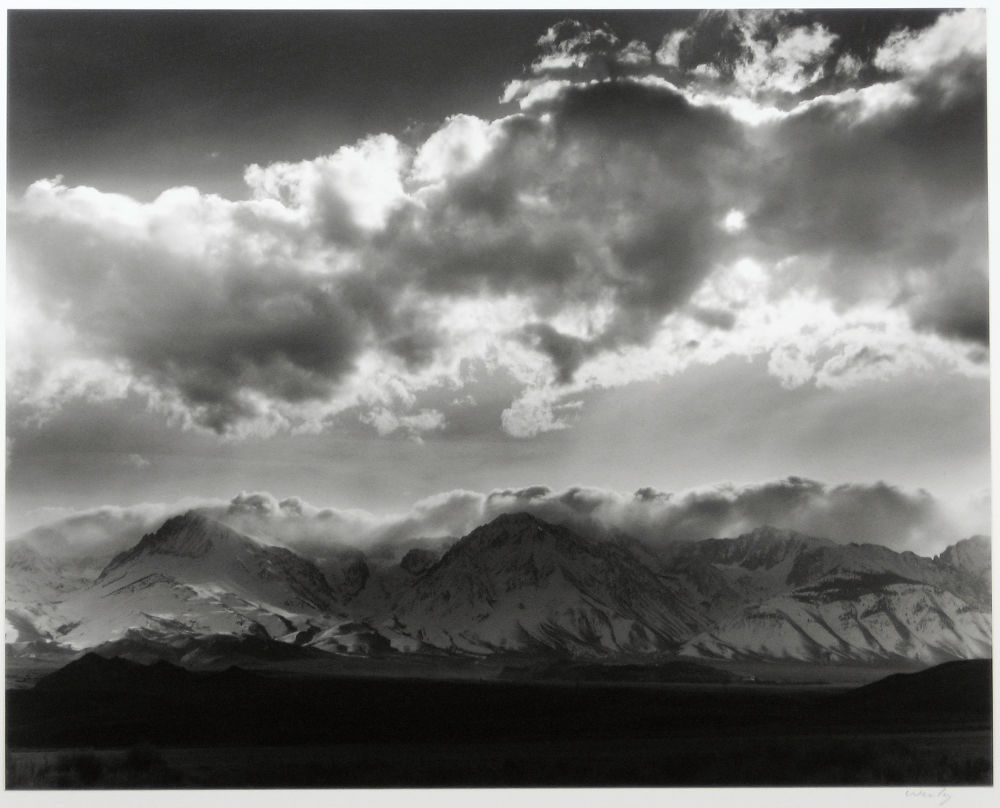
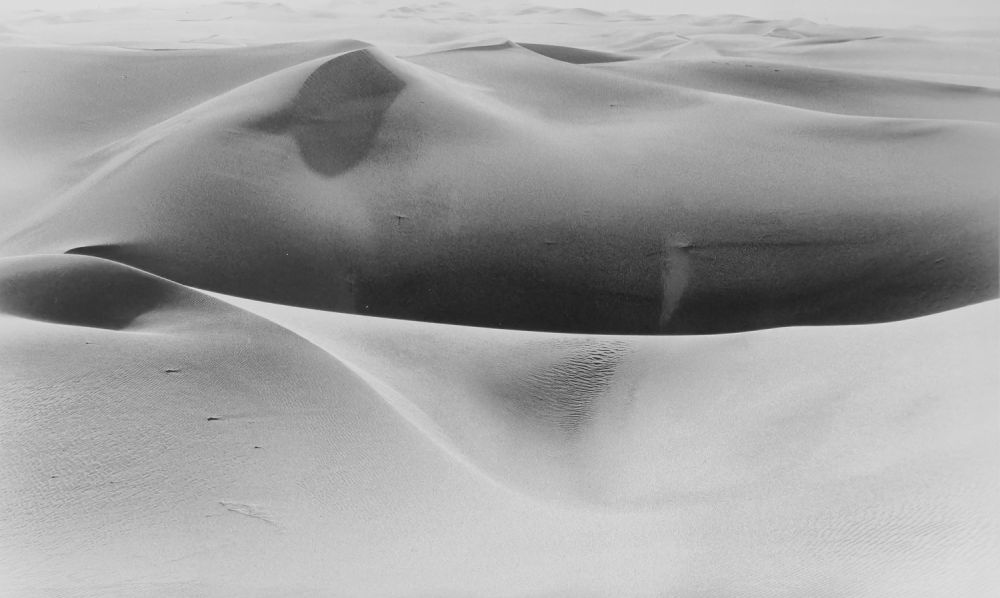
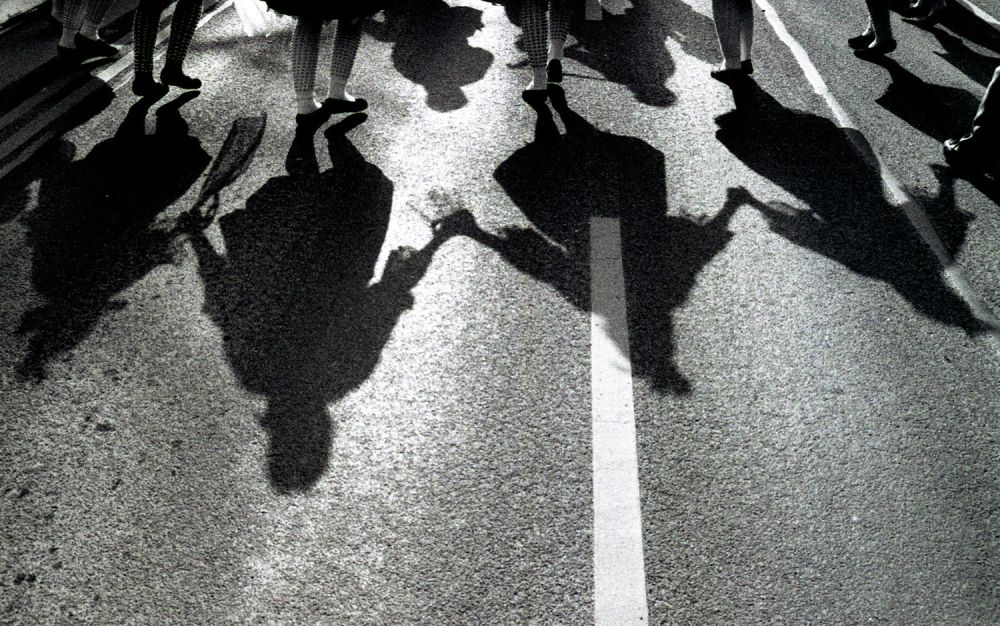
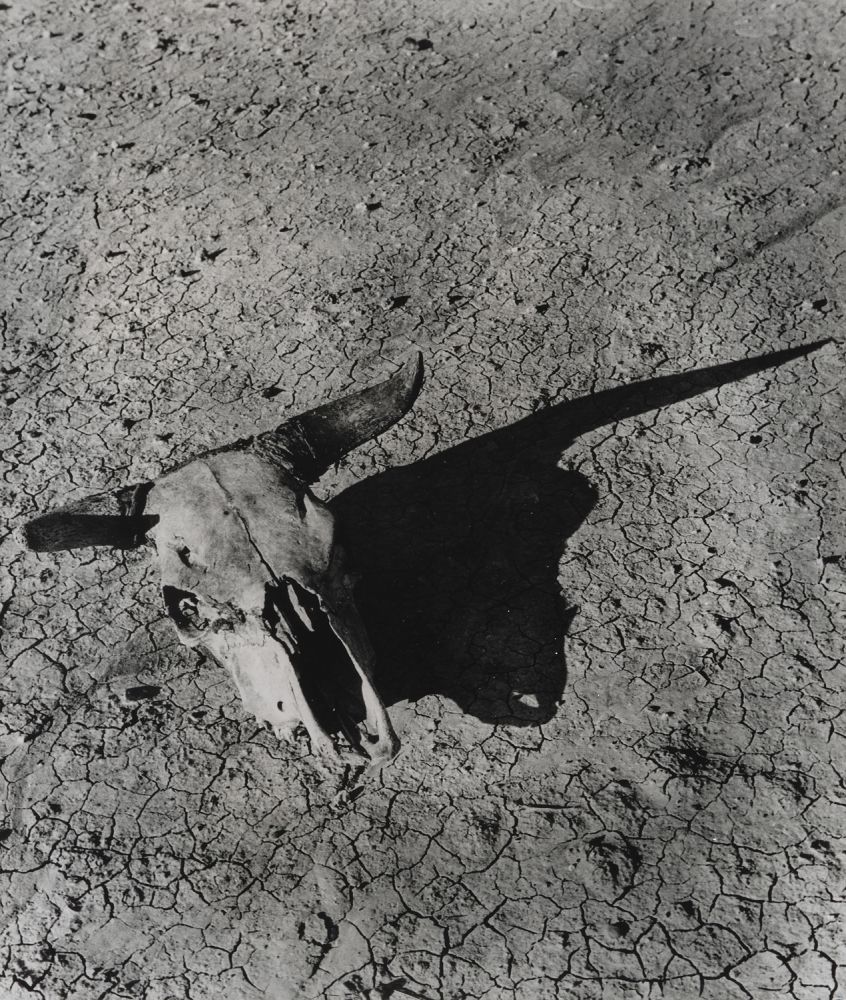
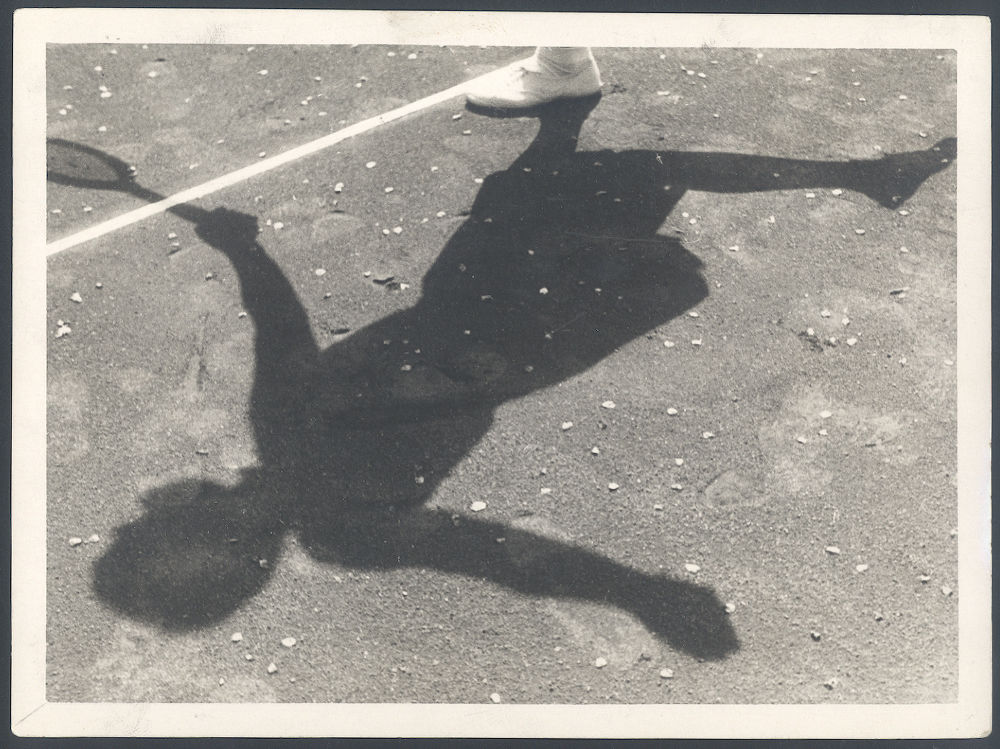
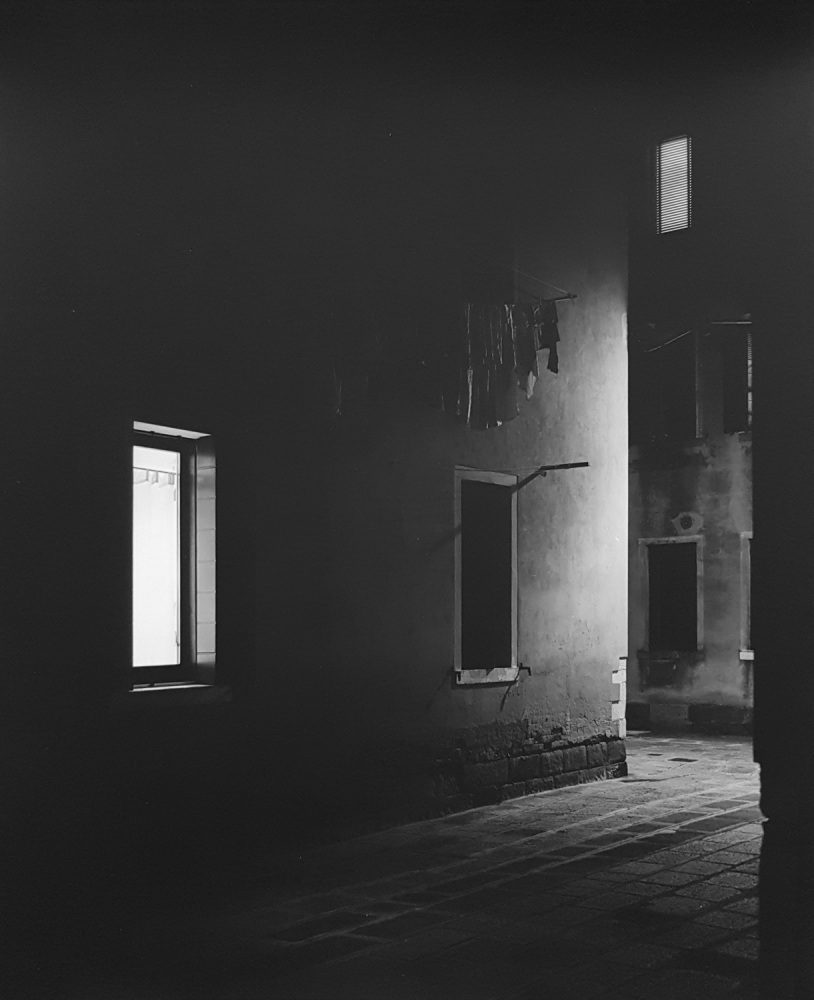
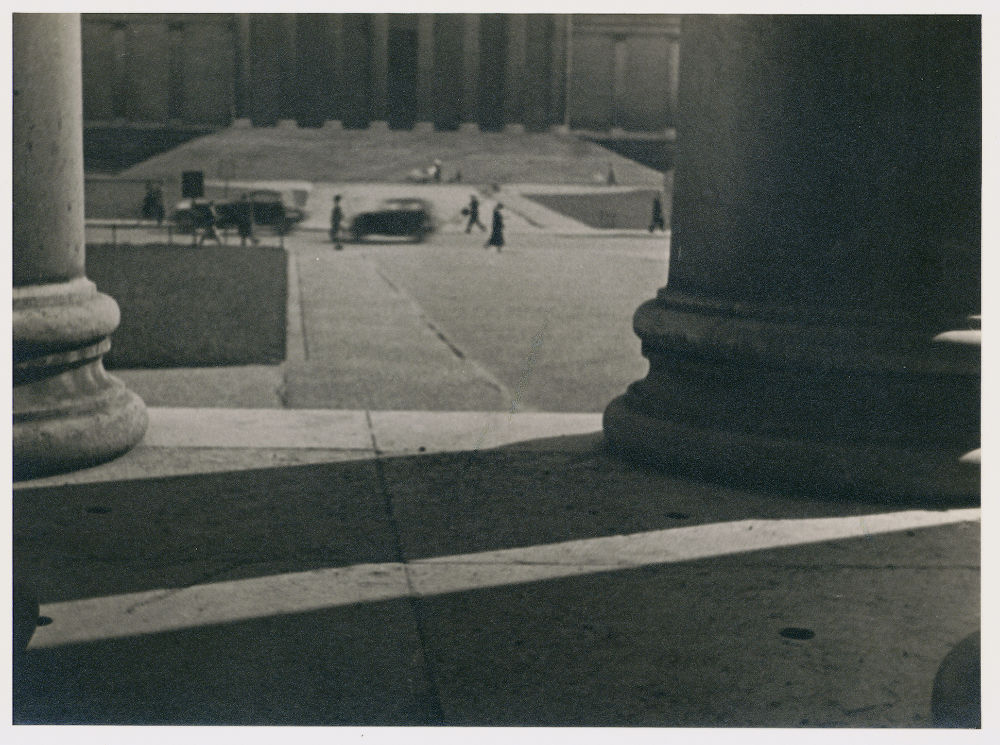
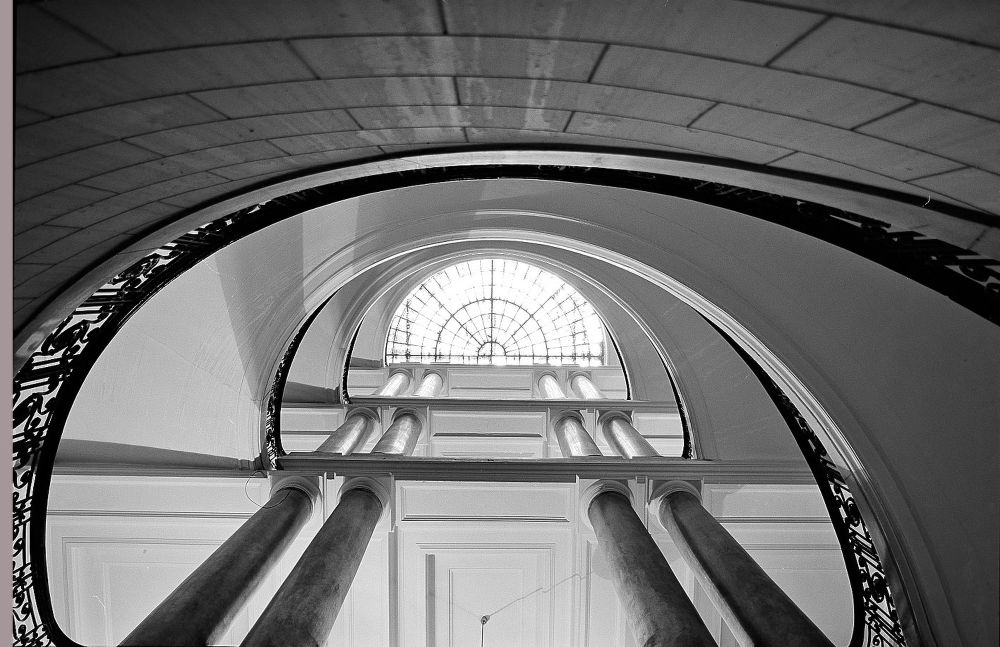
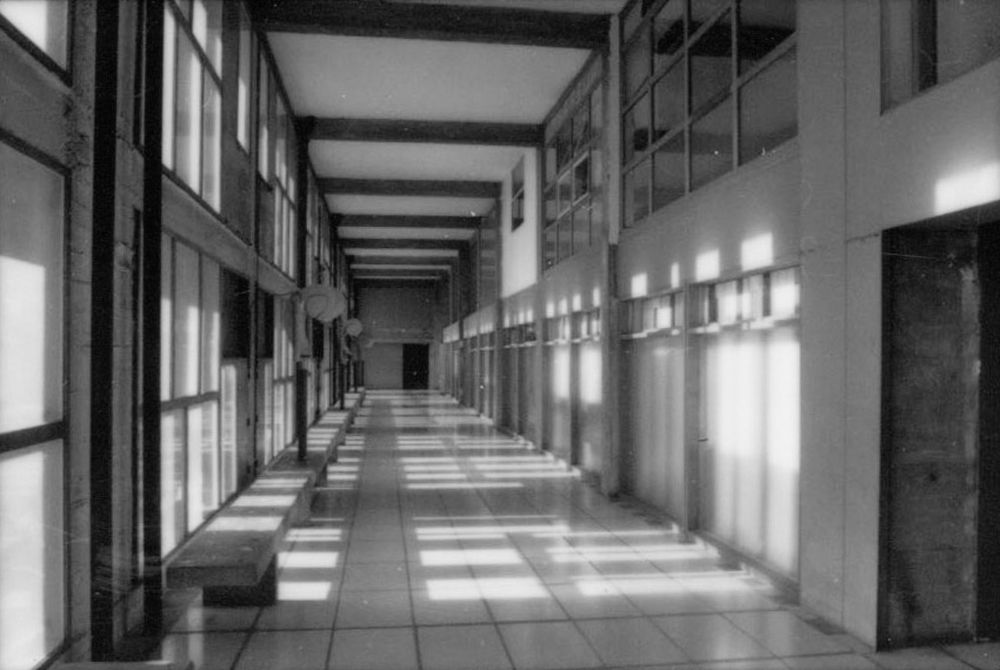
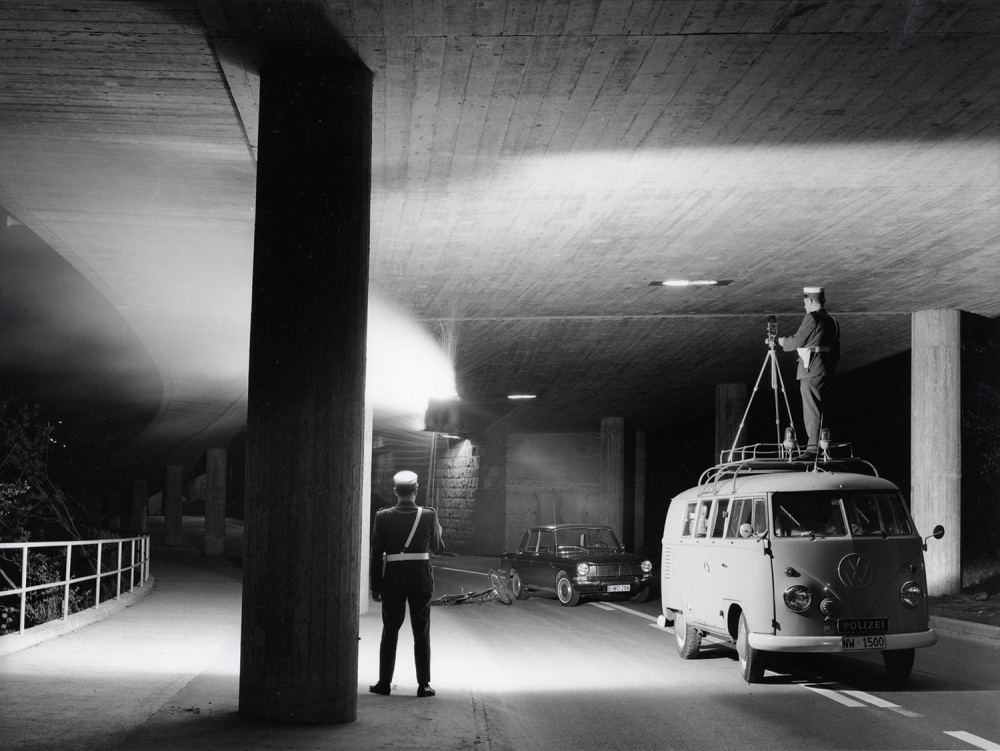
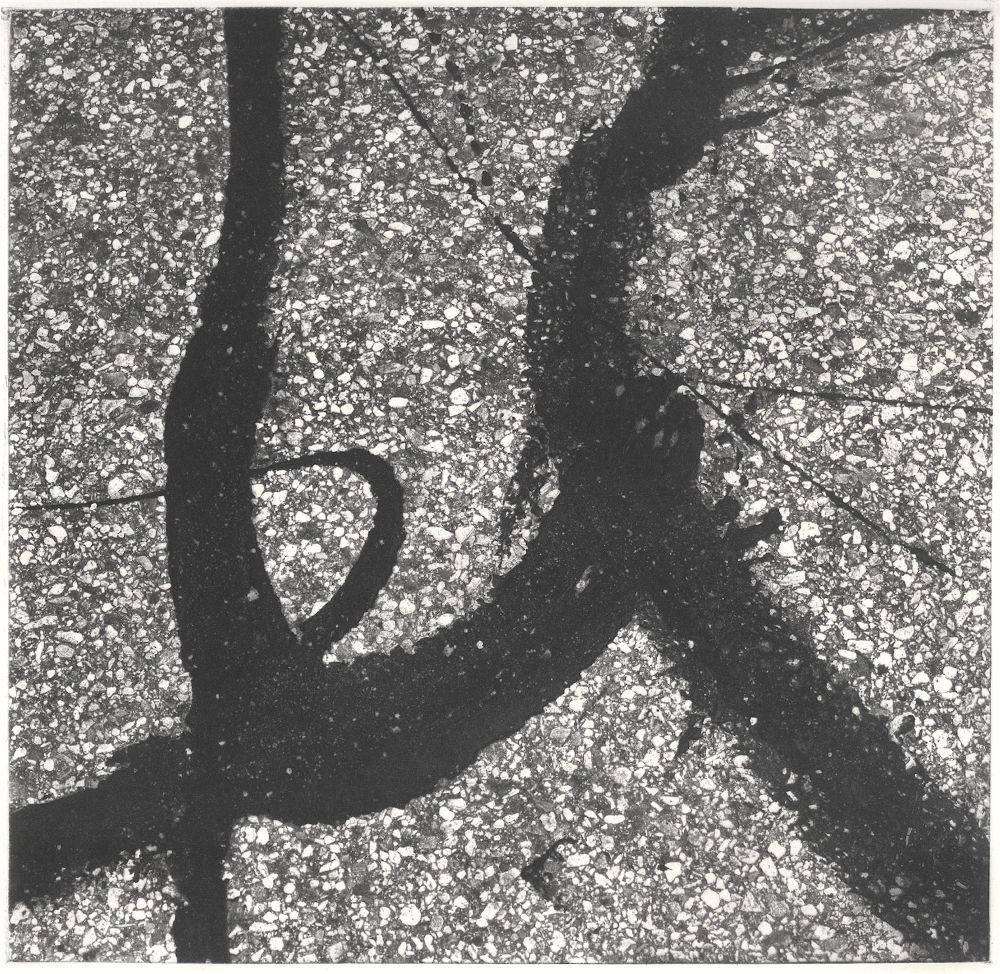
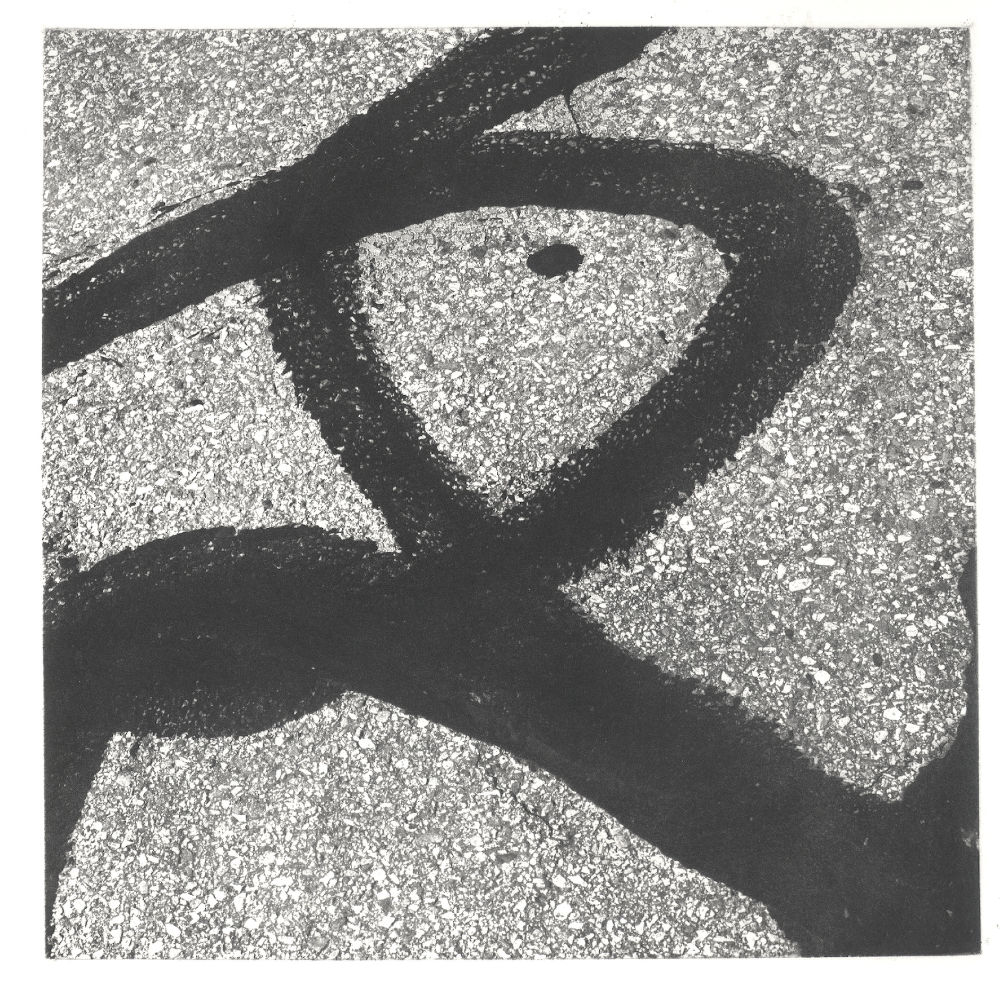
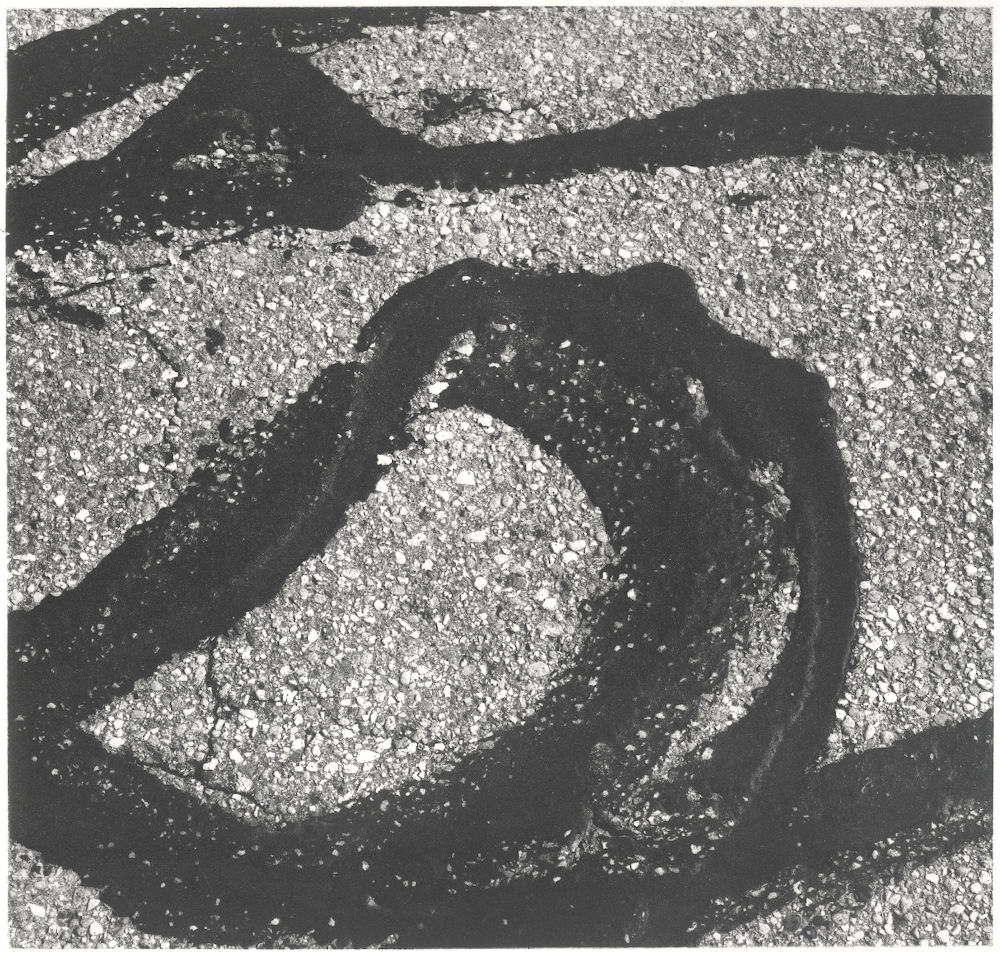
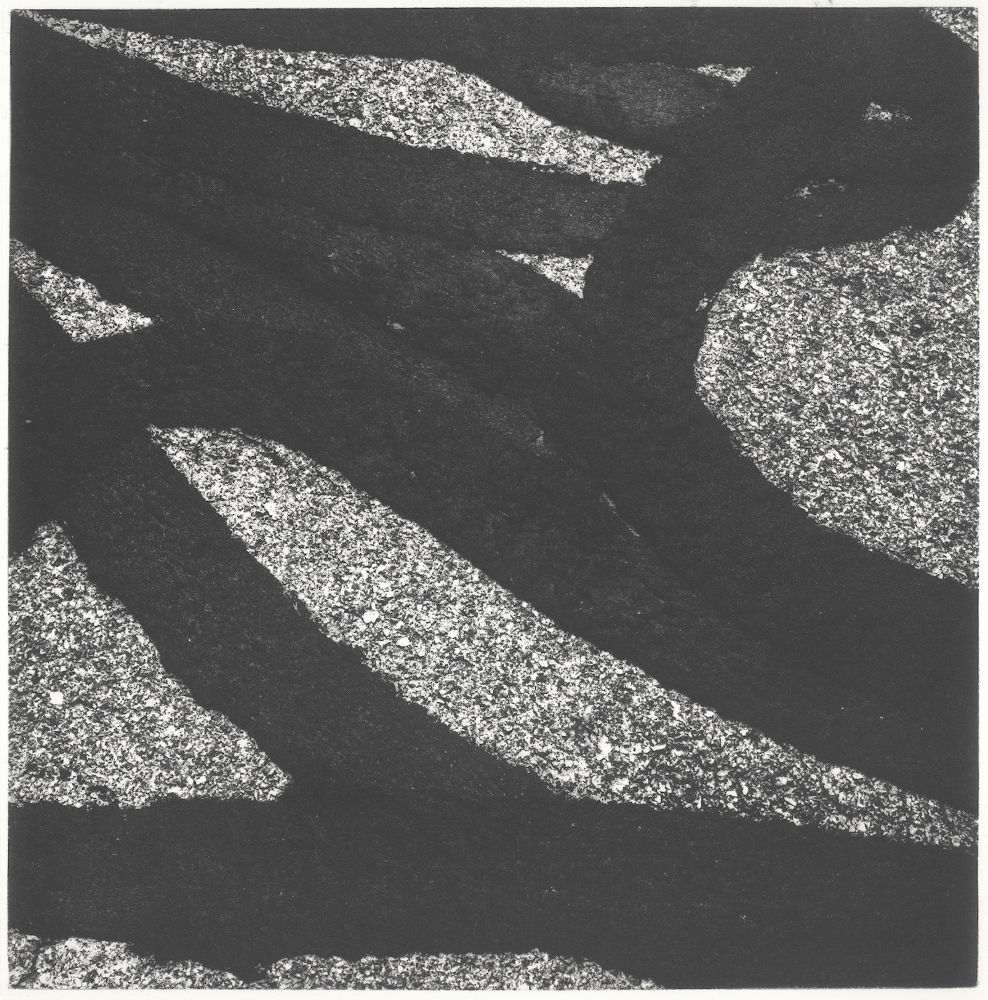
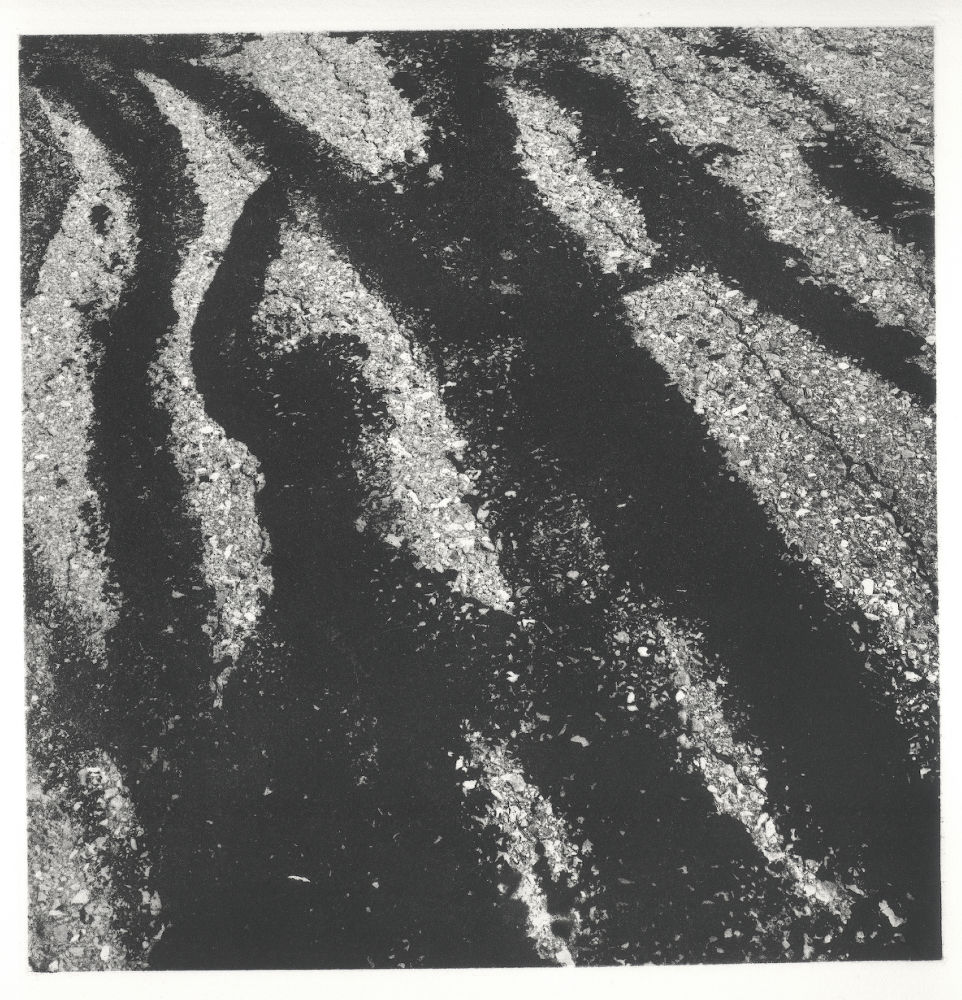
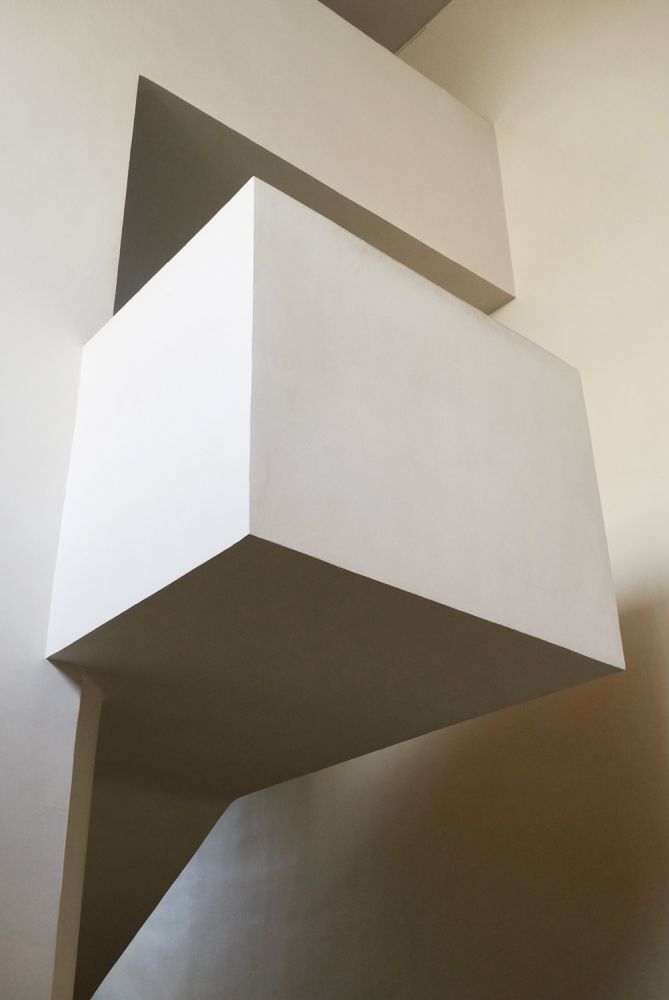
Following the highly successful exhibition at the Forum für Fotografie in Cologne, we are now presenting the exhibition In the Lights of Shadows at the Depot in Salzburg. At the heart of photography, the exhibition focuses on the interplay of light and shadow – the fundamental forces of every photographic narrative. Masterpieces from two centuries of photographic history are on display: from iconic artists such as Edward Weston, Ansel Adams, Berenice Abbott, and Mary Ellen Mark to contemporary positions such as Michelle Magdalena Maddox, Liddy Scheffknecht, and Ugne Pouwell. The selection shows how light in photography has become not only a means, but also a theme and a vehicle of expression. Light and shadow as a language that shapes emotion, structure, and time at the same time.








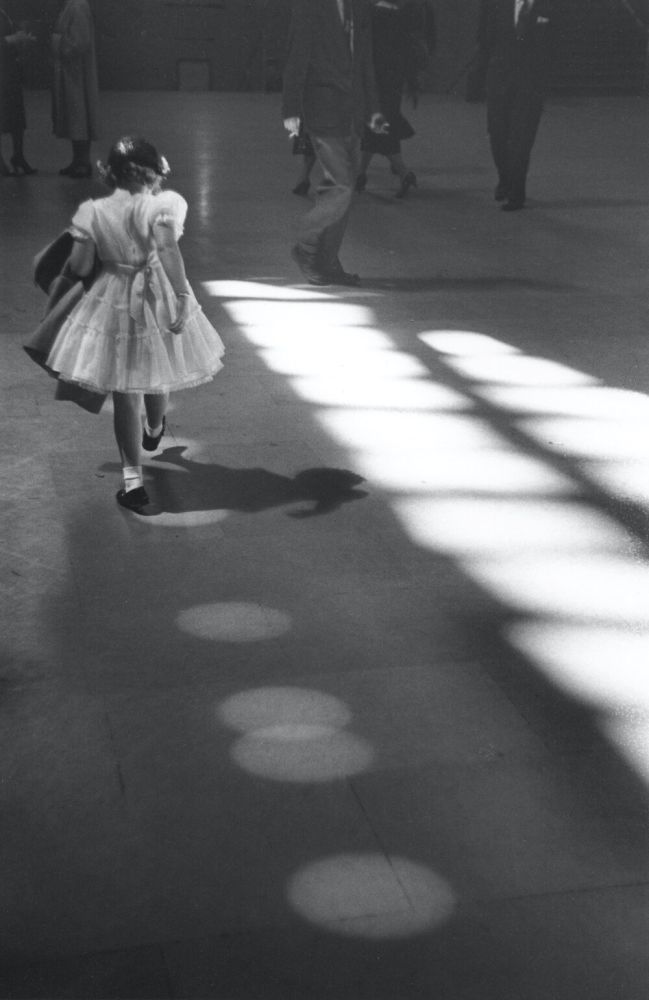

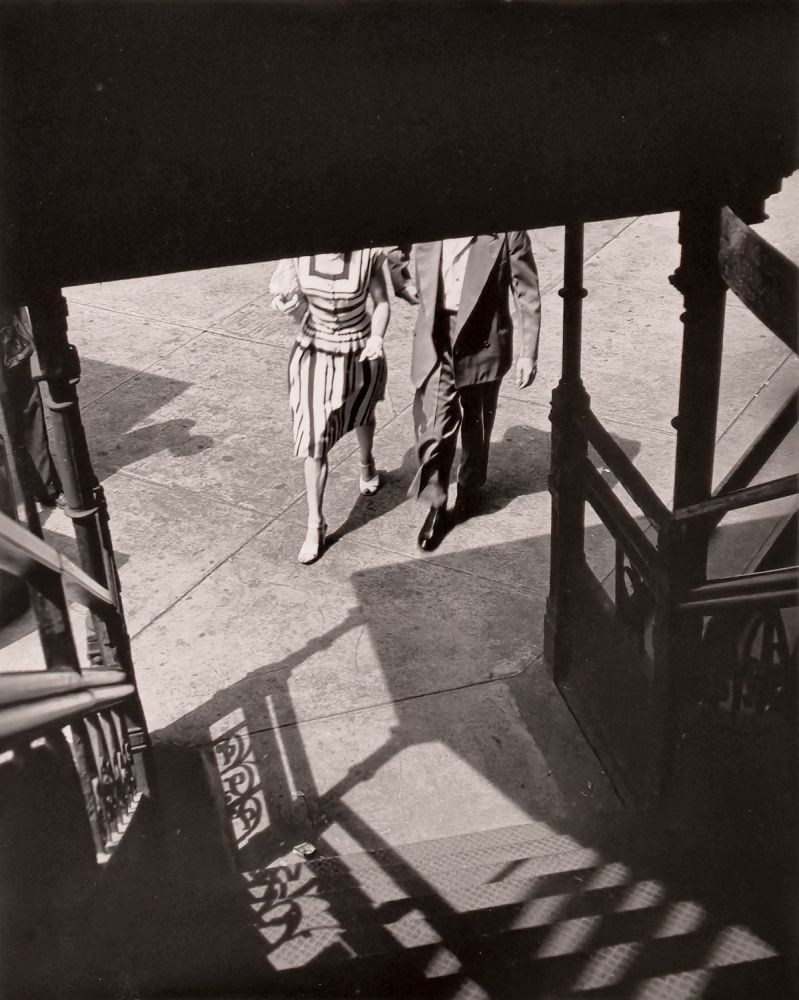
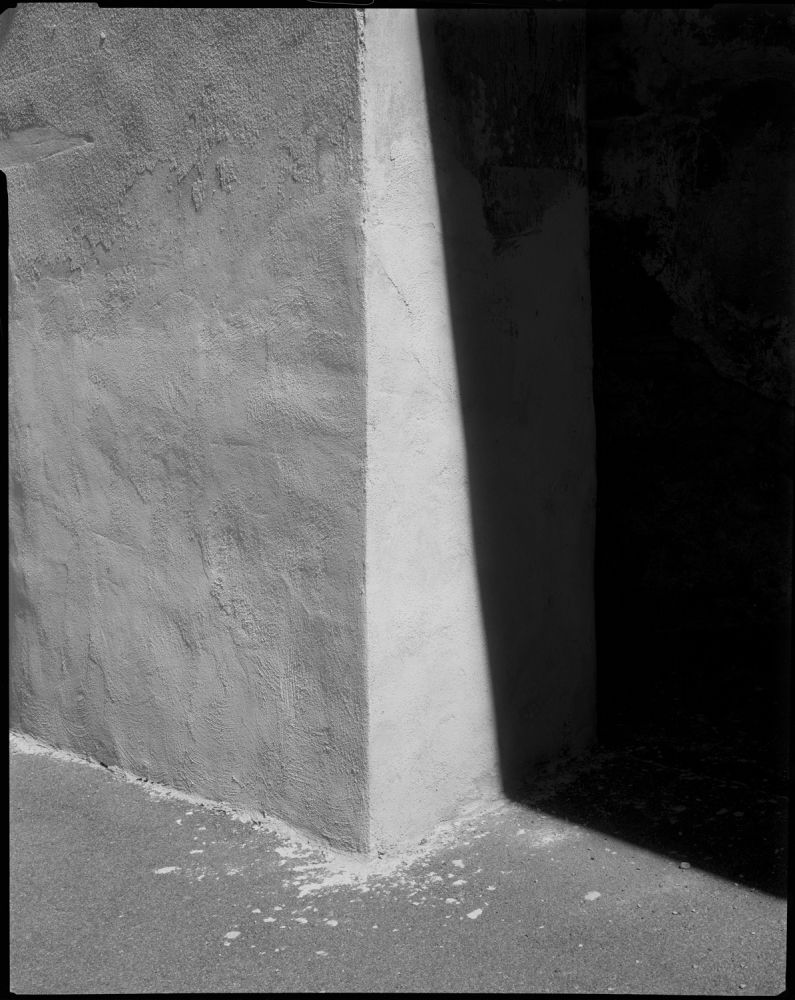
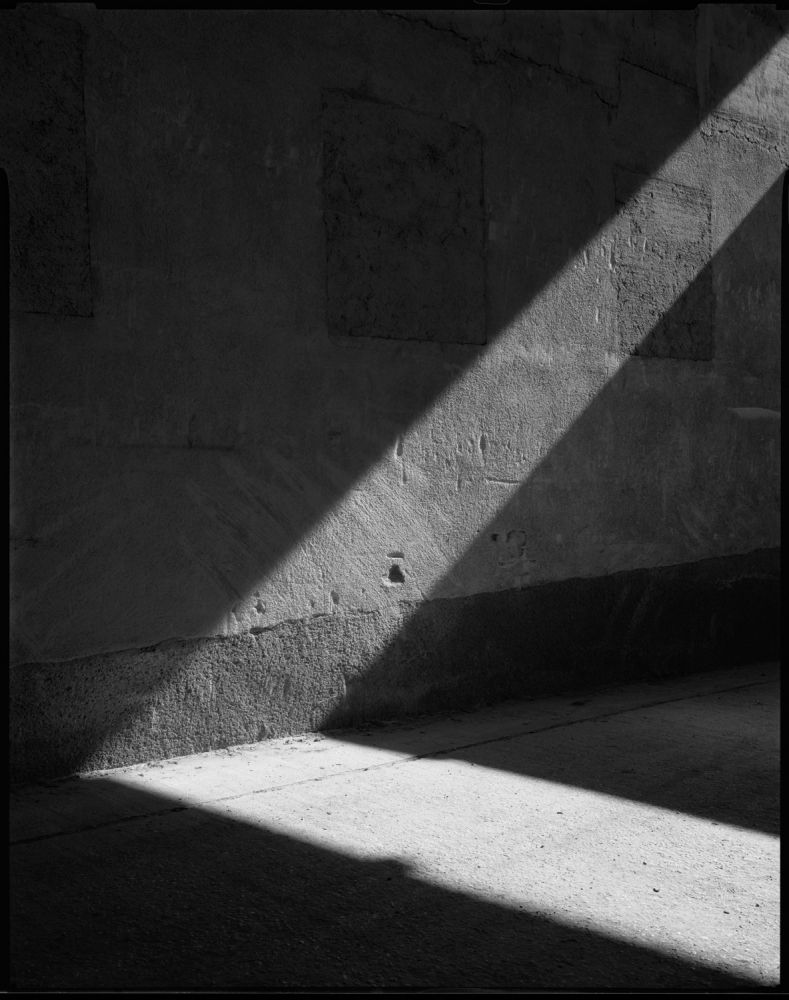














Depot of the SpallArt Collection
Jakob-Auer-Straße 8
5020 Salzburg
Open every first Saturday of the month
From 11 am to 2 pm
March 7, April 4, May 2, June 6, July 4, August 1, September 5, and October 3, 2026
With works by:
Berenice Abbott, Ansel Adams, Walter Bartsch, Werner Bischof, Josef Breitenbach, Marilyn Bridges, Harry Callahan, Paul Caponigro, W.P.A. Chambers, Lucien Clergue, Ralf Cohen, Josephus Daniel, Harold Eugen Edgerton, Alfred Eisenstaedt, Walker Evans, Adolf Fassbender, Ralph Gibson, Horst Hahn, Clemens Kalischer, Hannes Kilian, Nikolaus Korab, Maurice M. Loewy & Pierre Henri Puiseux, Michelle Magdalena Maddox, Mary Ellen Mark, Martin H. Miller, Barbara Morgan, Jeff Nixon, Roland Pleterski, Ugne Pouwell, Vilém Reichmann, Albert Rudomine, Roger Schall, Liddy Scheffknecht, Fritz Simak, Aaron Siskind, Studio Souissi, Edward Steichen, Otto Steinert, Louis Stettner, Josef Sudek, Todd Webb, Sabine Weiss, James Welling, Robert Werling, Brett Weston, Edward Weston, Kim Weston, Minor White and Robert Zahornicky
A catalog will be published to accompany the exhibition
To Photograph is to Chart with Light
Introduction by Michelle Magdalena Maddox
Photography itself is the process of documenting with light. And light without any amount of shadow is a story undefined. A journey without time, a process with no beginning and no ending. Shadows mark the definition of character, story, and setting. Light in the presence of shadow and shadow in the presence of light are the key ingredients and creative co-conspirators in the magic-making of the photographic process. Inspired by light and shadow, the selection from the SpallArt collection for the exhibition at the Forum für Fotografie in Cologne invites viewers to ask themselves what story is being told and how it would differ under different lighting conditions.
Any photographer will tell you that light is the champion and main character of their photograph. A location or subject under different lighting would lose the identity that takes shape at the given time and moment when the shutter is released, and the picture is eternalized in the process of alchemy. At its time, photography was a scientific feat and echoed a sense of magic and mystery. This process, as organic as life and death, was born over a period of 30 years starting in 1802, in England when the first evidence-based reactions were discovered; documenting light and shadow on paper by chemist Thomas Wedgwood. Wedgwood had achieved transferring the first pictures of life on paper and leather using silver nitrate. His discoveries were still sensitive to light and oxygen and needed to be further developed over the next 30 years by other chemists studying the process that would come to be known as photography by Henry Fox Talbot. Never before had reality been given the chance to be captured in its pure, documented truth. Over the next 200 years photography would evolve from being a historical tool, documenting people and places, to becoming a respected art form.
The selection “light and shadow” is a testament to the most respectable photographic artists who changed the identity of photography from documenting to creative expression. Expressing the beauty of the human experience captured before the dawn of the digital age. When humans still lived purely in the chemical process of light and shadow. A time capsule of our identity before our minds were captured by screens of blue light infiltrating our minds with higher rates of information. These photographs, made with the traditional process of darkroom photography hold the vibration of handmade craftsmanship, perhaps only identifiable by experts but undeniably emboldened by the vibration of time. Like meditation, images forged by time releasing chemicals in our brains, triggering memories and experiences we identify with; revealing codes that stories of light and shadow play in our human psyche. Can you hear footsteps down the cobblestone path or feel the wind through the prairie? The magic of the old ways may be gone forever but islands and memories of life prior to the digital age exist in the chemical reactions of this collection.
Explore the elements of human existence from morning mist in a meadow to afternoon sun on snow; in a parallel universe, ancestral faces gaze through a stone wall and shadows kiss the portrait of a woman. Salt and sand remind the body of its flesh, and the skin of a pepper awakens erotic beginnings. Maybe your journey through this collection will bring you to a place where life is again new to you, fresh and exciting like falling in love. Art can make any bit of life an altar to our existence where our experiences of mundane moments are sacred, enlivening our senses like the magic of photography itself, a reaction mirrored in the experience of the onlooker itself.
Edward Weston was one of those who developed a fine skill in photography after the pictorialist era in the early 20th century. Unlike the dreamy and romantic subjects of the pictorialist movement in the late 19th century, Weston's images of natural settings like stone beaches and cliffsides were more subjective. Suddenly the mundane rock became an esoteric spellbook, conjuring mysticism and enchanting viewers with messages from nature herself and reminding us all of the sacred in everyday life, unassociated with wealth or industrial evolution. What helped craft this message from stone? Shadow and light, with timing being essential to the language unspoken in every image that made history with the photographs that shaped photographic art history.
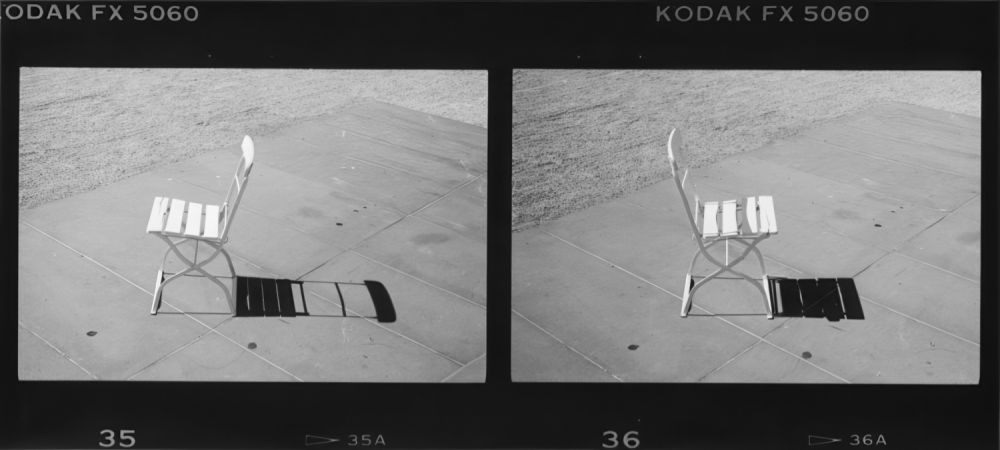
Beyond the identity of a subject itself, light and shadow have their own voice in the conversation of image making. Another subject in this curation of the SpallArt collection is art created by light itself. Shadows open a new dimension of depth and understanding of place and time, dancing for their brief moment of the day to create illusions. Tricks of light; illusions to the mind, magic and mystery can go unnoticed to the untrained eye. Does the subject sit in a chair’s shadow or the chair itself? Are the dandelion’s shadows blooming or off to seed? Bringing to question the dimensionality of time: a moment and also an expression of transformation over time like 7 minutes, 13 seconds in Liddy Scheffknecht’s two images depicting the change of light and shadow over time. On a grander scale Jeff Nixon’s recreation of Ansel Adams’ famous moonrise over Half Dome in Yosemite Park, California was only made possible after 19 years because the moon phase at any other time of day or year would be unique and completely different from the composition of light and shadow in this image. As Adams himself noted, ‘I have photographed Half Dome innumerable times, but it is never the same Half Dome, never the same light or the same mood.’
It is an honor to be curated into this exhibition with artists like Steichen, Weston, Adams and Clergue, photographers that inspired my work and shaped the way I see and take notice of beauty and mysticism in the unseen. Reviewing this collection only further inspires the expansion that thought, and meditation have in creativity and what is possible in great image making. Not just the moment of light but the use of light in the process of storytelling, inspiring not only abstraction of subjects but the abstraction of subjectivity. Time passes and lives change, history is forgotten and repeats itself. Shadows arise to remind us of the complexity of life and the downfall of every chapter of life's cycles. My hope is that we will always find inspiration in the information received from both the light and shadows of the stories that photographs tell. Understanding more than ever that photography is not only a tool for art but a free license to cast spells of understanding, both good and bad.

Das Licht der Erkenntnis.
Gedanken zu L’homme qui court, Paris
von Thomas Linden
(German)
Sabine Weiss
"L’Homme qui court, Paris", 1953